Conducting Fillers Enhance Electromagnetic Shielding in CaCu3Ti4O12/CoFe2O4/Al/Silicone Composites
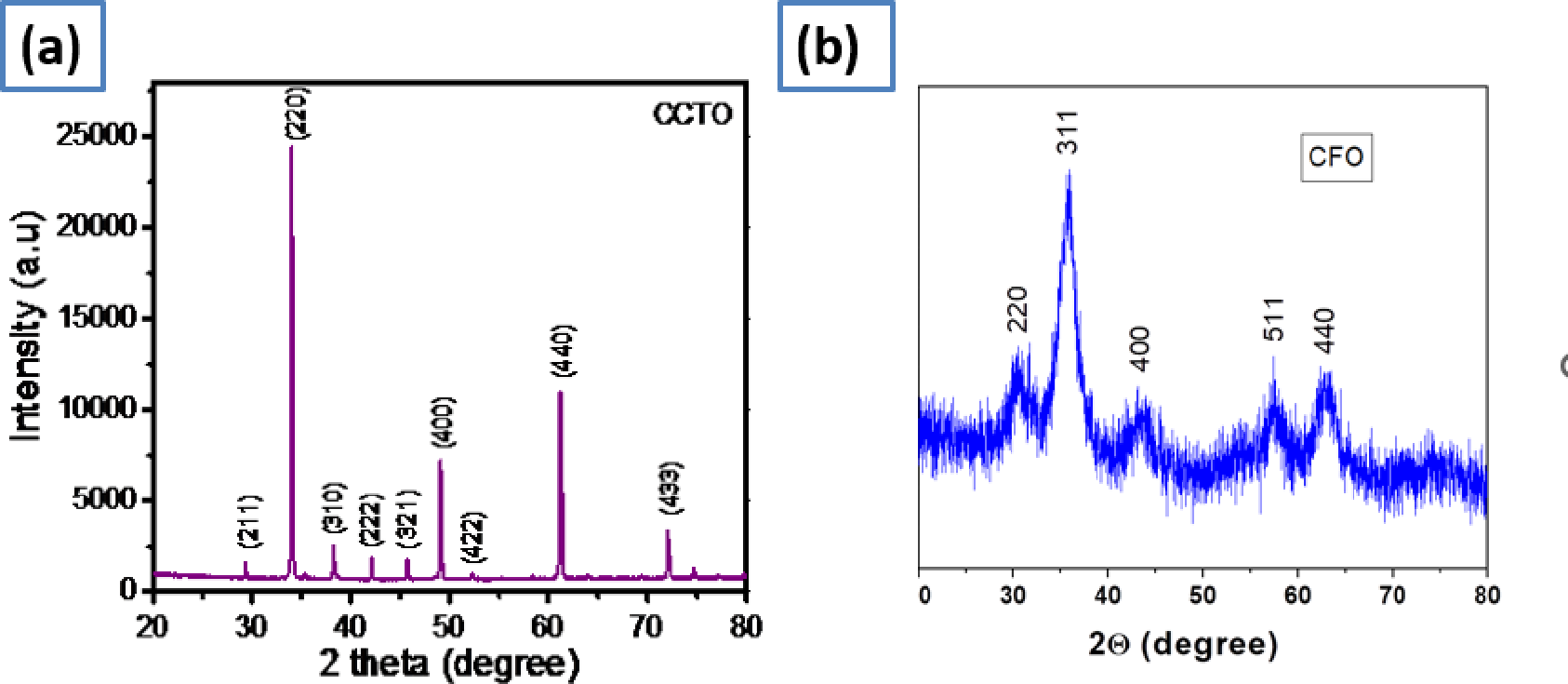
This research investigates the impact of conducting fillers on the electromagnetic shielding effectiveness of composite materials. The study focuses on composites made from CaCu3Ti4O12, CoFe2O4, Al, and silicone. The researchers aimed to understand how the inclusion of different conducting fillers influences the material's ability to block electromagnetic waves across a broad spectrum of frequencies. The findings are crucial for developing advanced shielding materials used in electronics, telecommunications, and aerospace applications. By optimizing the composition and structure of these composites, it is possible to achieve superior electromagnetic interference (EMI) shielding performance. The study systematically analyzed the electromagnetic wave absorption and reflection properties of the composites. This work contributes to the ongoing effort to create more effective and lightweight shielding solutions. Understanding the interplay between filler type, concentration, and composite morphology is key to tailoring these materials for specific applications. The results provide valuable insights for material scientists and engineers designing next-generation electromagnetic shielding technologies.
This study explores the material science behind electromagnetic shielding, a critical component in modern technology where electromagnetic interference can degrade performance. By examining how different conducting fillers affect the shielding capabilities of a CaCu3Ti4O12/CoFe2O4/Al/silicone composite, the research addresses the need for improved electromagnetic compatibility in increasingly complex electronic environments. The investigation into a wide frequency range suggests an effort to create versatile materials applicable across various technological domains. Understanding the fundamental mechanisms of absorption and reflection will be key to optimizing these composites, potentially leading to lighter, more efficient shielding solutions that are essential for the miniaturization and proliferation of electronic devices. The long-term implications involve enhanced reliability and performance of sensitive electronics in diverse operational settings, from consumer gadgets to critical infrastructure.
AI-generated to prompt reflection — not editorial opinion, not advice, not a statement of fact. How this works.