Congonhas City Hall Establishes 'Giramundo Museum' and Puppeteer Training School
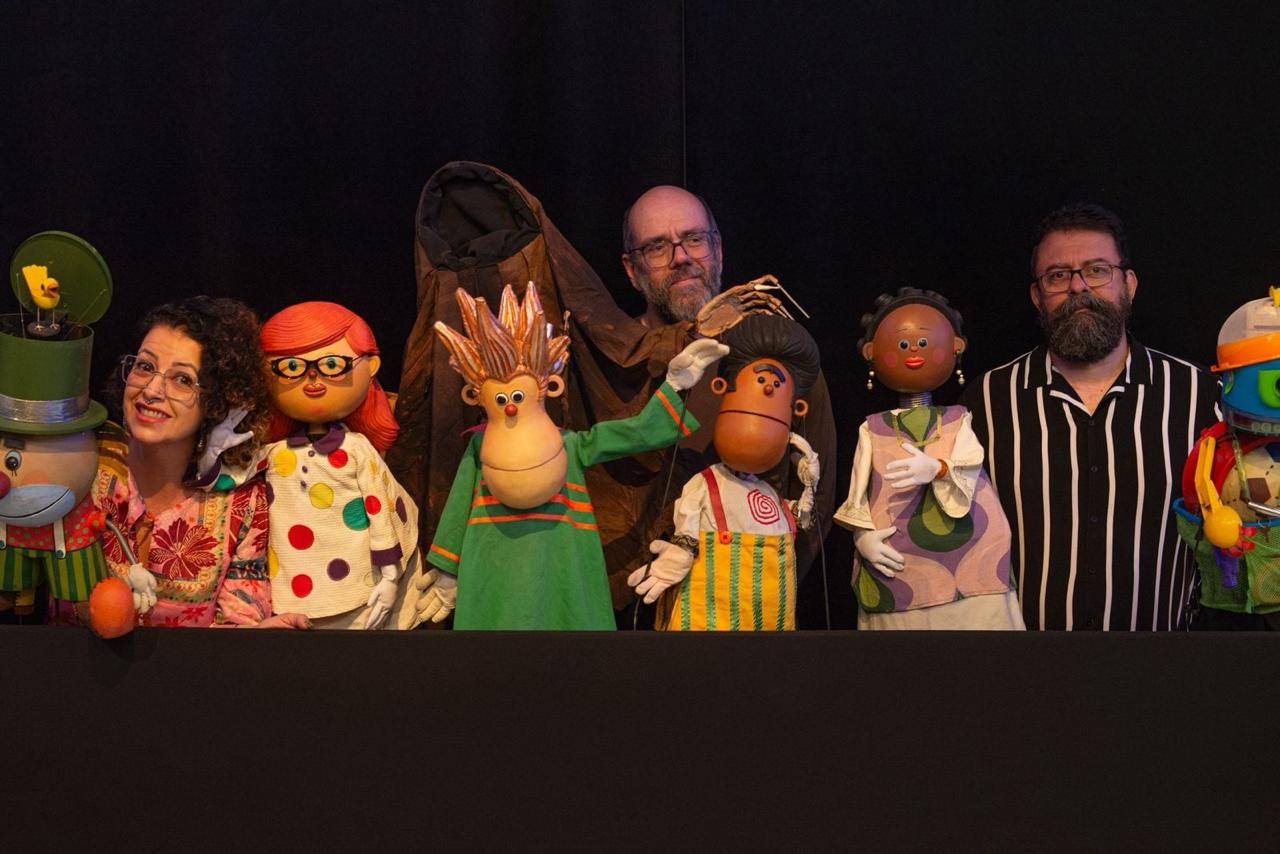
The Congonhas City Hall, through its Municipal Foundation for Culture, Leisure, and Tourism (Fumcult), has formalized the establishment of the Giramundo Museum in the city. The agreement, signed on Tuesday, the 21st, also includes the creation of the Giramundo School for puppeteers, aiming to train professionals in both the manipulation and construction of puppets. This initiative seeks to qualify artists, encourage new companies, and foster productions related to animation theater. The museum is expected to open its doors to the public in November of this year. Pedro Cordeiro, president of Fumcult, highlighted this as an unprecedented opportunity for local artists and those wishing to deepen their knowledge in this artistic field. The Giramundo Museum will be integrated into Congonhas's historic site, a UNESCO World Heritage site, which already includes the Museum of Congonhas, the Romaria Cine Club, the Romaria Natural Park, and the Municipal Theater Dom Silvério. The Giramundo collection will be featured in a long-term exhibition at the Romaria. Fumcult believes this project will expand public access to art, education, and cultural enjoyment, reinforcing the municipality's commitment to cultural democratization and heritage valorization. Founded in 1970 by artists Álvaro Apocalypse, Tereza Veloso, and Madu, Giramundo is one of Brazil's most traditional puppet theater groups, having created over 40 shows and amassing one of the largest puppet collections in the Americas. Currently directed by Bia Apocalypse, Marcos Malafaia, and Ulisses Tavares, the group's structure includes theater, a museum, a school, and an animation studio, which have pushed the technical and formal boundaries of Brazilian puppet theater.
The establishment of the Giramundo Museum and training school in Congonhas represents a strategic investment in cultural heritage and the creative economy. By integrating this initiative within a UNESCO World Heritage site, the municipality leverages existing cultural capital to foster artistic development and tourism. This approach aligns with broader trends of urban regeneration through cultural assets, potentially creating a sustainable ecosystem for animation theater. The focus on training aims to address the generational transfer of skills and knowledge, ensuring the longevity of this artistic tradition and potentially spawning new commercial ventures in the performing arts sector. The long-term success will likely depend on sustained funding, effective curriculum development, and robust community engagement to ensure the school and museum become vibrant cultural hubs.
AI-generated to prompt reflection — not editorial opinion, not advice, not a statement of fact. How this works.