Congress and UML Question Home Minister's Agreement on Sunsari Incident
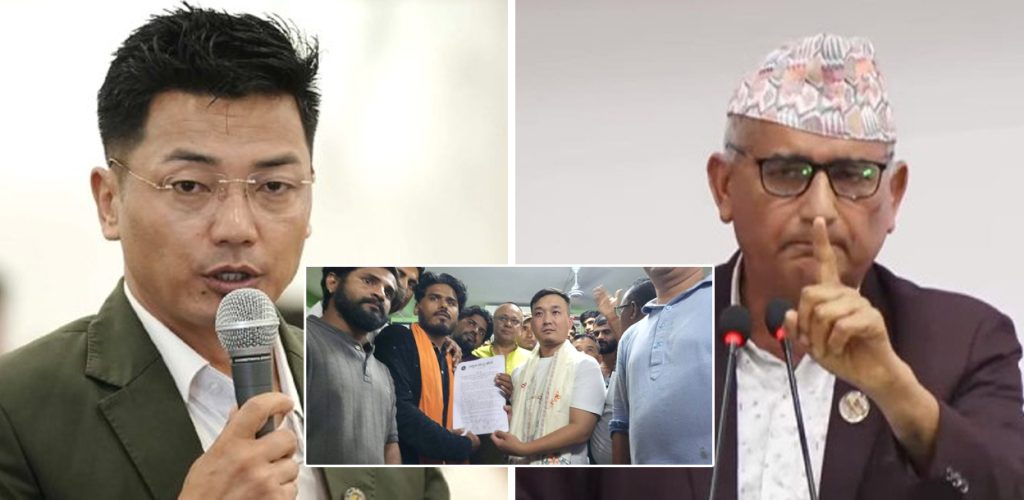
Nepali Congress and CPN-UML have raised questions regarding the agreement made by Home Minister Sudhan Gurung in the context of the Sunsari incident. The opposition parties are seeking clarification and expressing concerns about the details and implications of the agreement. The specifics of the Sunsari incident that led to this agreement have not been detailed in the provided text. However, the involvement of the Home Minister suggests a significant event requiring government intervention and negotiation. The parties' questioning indicates a potential disagreement with the terms or the process through which the agreement was reached. Further details regarding the nature of the Sunsari incident and the content of the agreement are necessary to fully understand the political ramifications. The stance of the Congress and UML suggests a need for greater transparency and accountability in such matters. This situation highlights the role of opposition parties in scrutinizing government actions and agreements.
The opposition's questioning of the Home Minister's agreement in Sunsari points to a dynamic of political oversight and accountability. Such actions often stem from differing interpretations of national interest, potential concerns about the executive's unilateral decision-making, or a desire to influence future policy. From a governance perspective, the situation underscores the importance of transparent negotiation processes, especially when they involve sensitive incidents and require ministerial-level agreements. The underlying incentive structures for opposition parties typically involve asserting their role as checks and balances, potentially gaining political leverage, and ensuring that public resources and state authority are managed judiciously. Looking ahead, the emphasis on clear communication and stakeholder consultation in crisis management will be crucial for maintaining public trust and ensuring effective governance in an era of rapid information flow and evolving societal expectations.
AI-generated to prompt reflection — not editorial opinion, not advice, not a statement of fact. How this works.
