Congress Division Looms as B.P. Koirala's Son is Positioned?
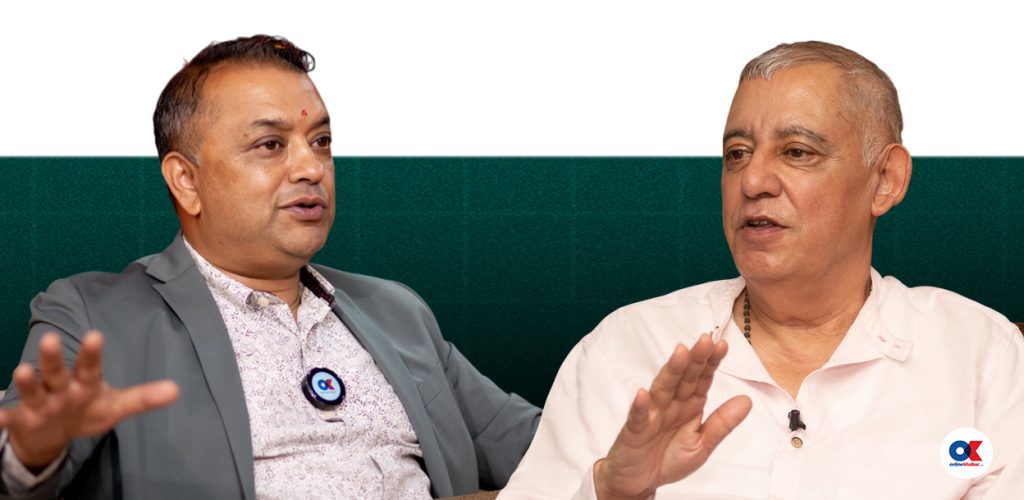
Discussions surrounding the 15th General Convention of the Nepali Congress have highlighted potential divisions within the party. In the past, when leaders such as Bimalendra Nidhi, Prakash Man Singh, and Krishna Sitaula were not considered viable presidential candidates, Shashank Koirala was seen as a second choice for all of them. This suggests a complex internal dynamic where the positioning of certain figures, particularly those with familial ties to founding leaders, could influence the party's future leadership and stability. The article hints at a potential schism, questioning whether the prominence given to B.P. Koirala's son is a deliberate strategy that could lead to a fracturing of the party. The internal deliberations reflect ongoing power struggles and ideological differences that have historically characterized the Nepali Congress. The selection of party leadership has always been a sensitive issue, often leading to intense competition among senior figures. The current climate suggests that these underlying tensions may be nearing a breaking point, with significant implications for Nepal's political landscape. The future direction of the party hinges on how these internal conflicts are managed and whether a consensus can be reached among its various factions.
The internal dynamics of the Nepali Congress, as suggested by the article, appear to revolve around succession planning and the influence of historical leadership legacies. The potential for division may stem from competing ambitions among senior leaders and the strategic positioning of individuals with strong familial connections to the party's founders. This situation highlights a common challenge in established political parties: balancing the need for fresh leadership with the established hierarchies and internal factions. The narrative implies that the party's future trajectory could be shaped by how these internal power plays are resolved, potentially leading to either consolidation or fragmentation. Understanding the incentive structures for various factions within the party will be crucial in predicting its stability and electoral performance in the coming decade, especially as Nepal navigates its evolving political and economic landscape.
AI-generated to prompt reflection — not editorial opinion, not advice, not a statement of fact. How this works.