Congress Enacts Major Housing Bill Without Presidential Signature
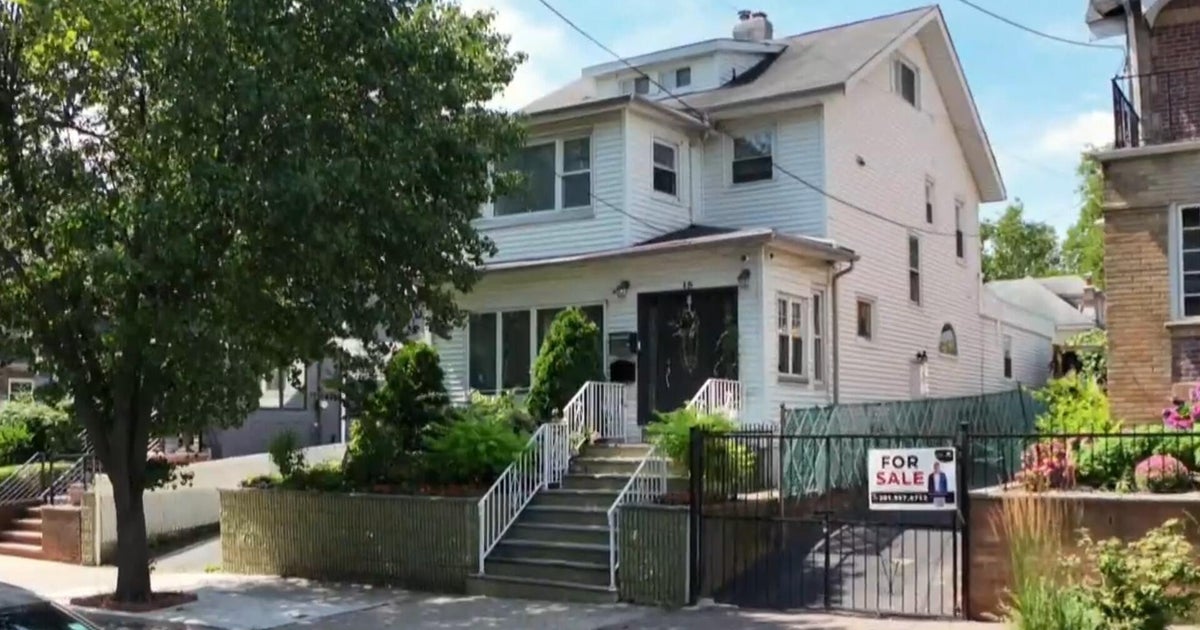
A significant housing bill, described as the largest in years, has officially become law in the United States. This legislative achievement occurred without the direct signature of President Trump. The details of the bill's provisions and its intended impact were reported by Ali Bauman. The legislation aims to address key issues within the nation's housing sector, potentially affecting a wide range of individuals and communities. Specific measures within the bill are expected to influence housing availability, affordability, and development across the country. Further reporting will likely elaborate on the precise mechanisms and anticipated outcomes of this new housing law.
The passage of this substantial housing legislation, enacted through congressional action rather than direct presidential approval, highlights the legislative branch's capacity to advance policy agendas. This event underscores the dynamic interplay between the executive and legislative branches, particularly when consensus is reached across party lines or through overriding executive objections. The law's long-term implications will depend on its implementation, market response, and potential future legislative adjustments. Evaluating its effectiveness will require monitoring key housing indicators, such as affordability metrics, construction rates, and access to housing for various demographic groups over the coming years. The bill's success will ultimately be measured by its capacity to foster more stable and accessible housing markets within the evolving economic landscape.
AI-generated to prompt reflection — not editorial opinion, not advice, not a statement of fact. How this works.