Congress Internal Rift Escalates as Faction Holds Separate National Assembly
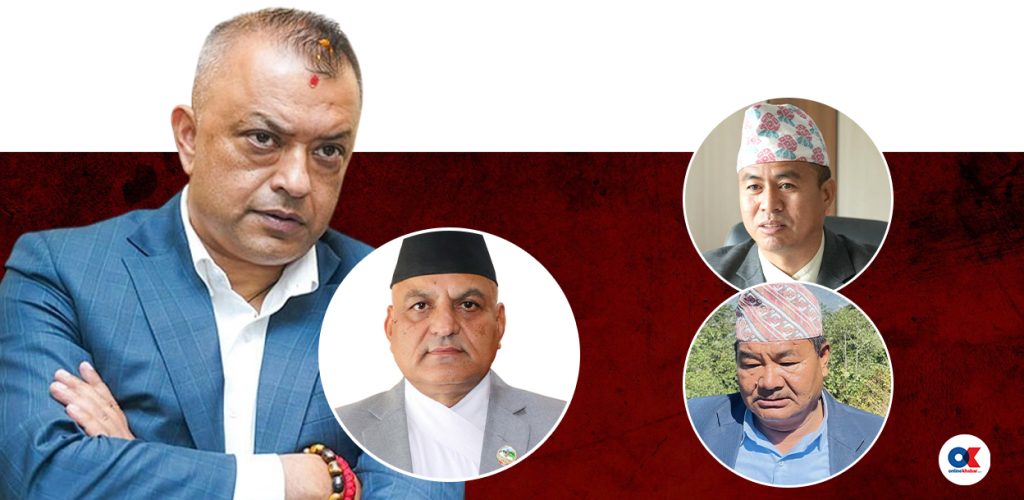
The internal conflict within the Nepali Congress has reached a critical juncture following the organization of a separate national assembly by the 'other' faction. This move signals a potential 'now or never' situation for resolving the party's deep-seated divisions. The headline mentions Chief Minister Pandey standing with Gagan Thapa, while Sherchan and Thapa also pose challenges, indicating a complex web of alliances and rivalries within the party. The specific details of these challenges and the roles of Pandey, Sherchan, and Thapa are not elaborated upon in the provided text. The broader context suggests a significant power struggle is underway, with the separate assembly likely aimed at consolidating support and asserting influence.
The escalation of factionalism within the Nepali Congress, marked by the organization of a parallel national assembly, highlights a persistent challenge in party governance. Such divisions can impede effective policy-making and electoral strategy by diverting resources and attention from core objectives. The situation underscores the importance of robust internal democratic mechanisms for conflict resolution and consensus-building. Moving forward, the party's ability to navigate these internal power dynamics will be crucial for its stability and its capacity to address national priorities in the coming decade, particularly in the context of evolving political landscapes influenced by technological and societal shifts.
AI-generated to prompt reflection — not editorial opinion, not advice, not a statement of fact. How this works.