Congress Rejects Proposal for Province Government Without Opposition
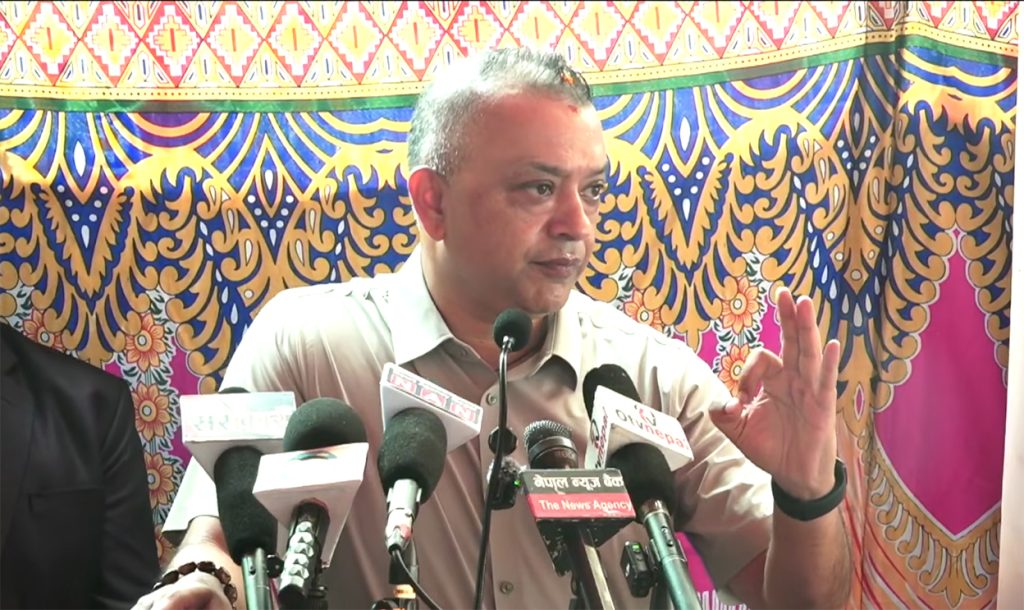
Gagan Kumar Thapa, president of the Nepali Congress, has strongly opposed a proposal by three major parties to form a provincial government. Thapa stated that such a coalition would leave the provincial assembly without an opposition, which he believes goes against the public's mandate. He clearly indicated that the Congress party would outright reject this proposal. The statement was made on Sunday in Lalitpur during the unveiling ceremony of a statue of the late leader Krishna Prasad Bhattarai. The proposed government structure, if enacted, would consolidate power among the three largest parties, potentially undermining the principle of checks and balances within the provincial legislature. Thapa emphasized that the Nepali Congress remains committed to upholding democratic principles and ensuring a robust opposition is present in all levels of government. The party's stance highlights a fundamental disagreement on the nature of provincial governance and the role of opposition parties in representing diverse public interests. This rejection signals a potential hurdle for the proposed coalition and underscores the Nepali Congress's commitment to parliamentary accountability.
The proposal to form a provincial government without an opposition party raises questions about governance structures and democratic representation. Consolidating power among a few major parties, while potentially offering administrative efficiency, risks diminishing the role of checks and balances essential for accountability. This approach could inadvertently sideline minority voices and reduce the legislature's capacity to scrutinize executive actions effectively. In an era where transparency and public trust are paramount, fostering an environment where diverse perspectives can be heard and debated is crucial for long-term stability and legitimacy. The Nepali Congress's objection underscores the importance of maintaining a robust opposition to ensure that government actions align with the broader public mandate and democratic ideals.
AI-generated to prompt reflection — not editorial opinion, not advice, not a statement of fact. How this works.