Congress's Diminished Power and Persistent Gridlock
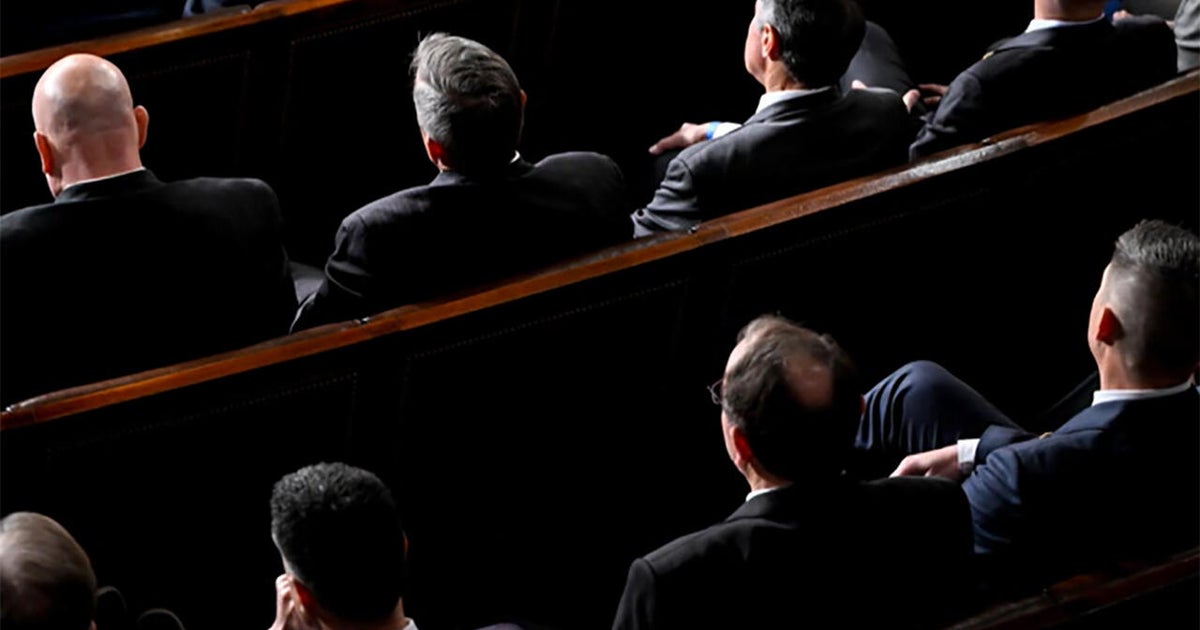
The U.S. Congress, originally endowed with significant powers by Article I of the Constitution, has seen its authority increasingly transferred to the executive branch. This shift has contributed to the persistent problem of gridlock that has plagued Washington D.C. The foundational design of the U.S. government aimed to create a balance of power among its branches. However, over time, a trend has emerged where legislative powers are effectively delegated or ceded to the president. This dynamic raises questions about the intended separation of powers and the efficacy of congressional oversight. The resulting legislative paralysis hinders the government's ability to address pressing national issues effectively. The concentration of power in the presidency, coupled with internal congressional divisions, exacerbates this dysfunction. Addressing these issues is crucial for restoring the balance of power and improving governmental responsiveness.
The U.S. Constitution established Congress with substantial powers, intended to serve as a co-equal branch of government. The observation that lawmakers have ceded authority to the president suggests a potential imbalance in the separation of powers, possibly driven by factors such as the perceived efficiency of executive action, evolving political norms, or strategic legislative choices. Persistent gridlock indicates systemic challenges within the legislative process itself, potentially stemming from partisan polarization, complex procedural rules, or a lack of consensus-building mechanisms. Examining the incentive structures that encourage delegation of power versus legislative assertiveness, and the structural impediments to bipartisan cooperation, could illuminate pathways toward a more functional and responsive government. In the long term, this dynamic may test the resilience of democratic institutions, particularly as societal challenges become more complex and demand agile governance.
AI-generated to prompt reflection — not editorial opinion, not advice, not a statement of fact. How this works.