Congress's Diminished Role and Persistent Gridlock
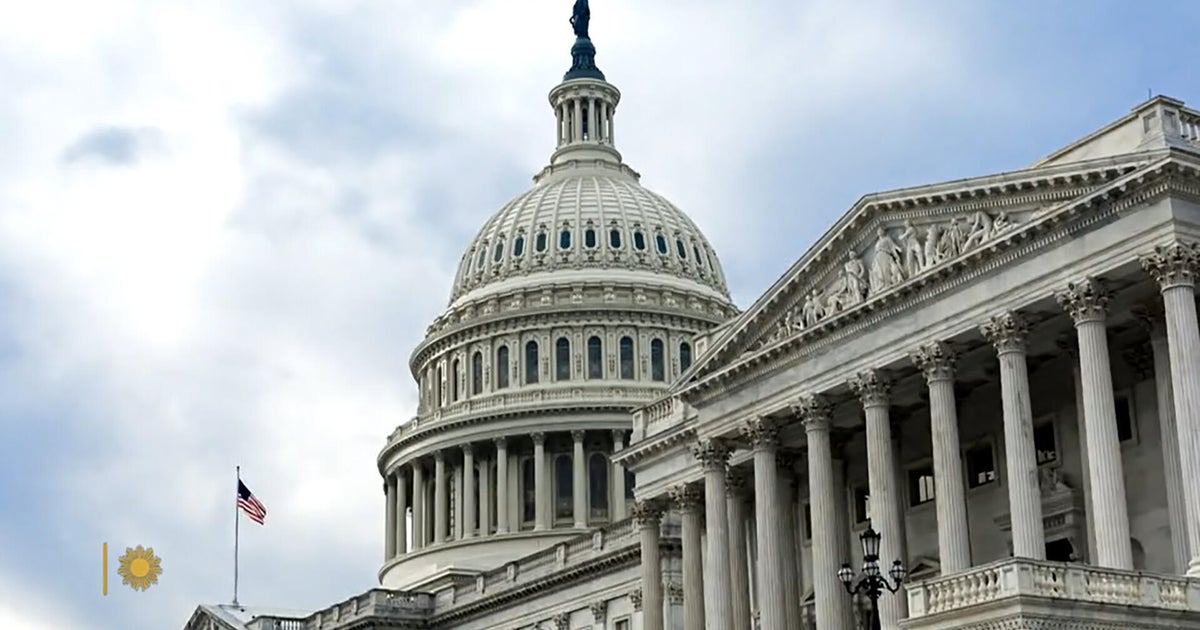
Congress, despite its constitutional powers under Article I, has seen its authority significantly eroded in recent decades, including under current Republican majorities. Lawmakers have increasingly ceded power to the president, contributing to Washington's persistent gridlock and a general sense that Congress has become marginalized. Observers interviewed by CBS's "Sunday Morning" national correspondent Robert Costa are discussing the reasons behind the House and Senate's struggles to address pressing American issues. The conversation explores whether Congress, hampered by intense partisanship, gerrymandering, and presidential pressure to comply with executive agendas, can ever regain its effectiveness. The participants are debating the underlying causes of this decline and assessing the potential for future improvement.
The diminishing influence of the legislative branch relative to the executive is a recurring theme in American governance. This dynamic can be analyzed through the lens of institutional incentives, where the perceived efficiency of executive action, especially during crises, may lead to a voluntary or coerced ceding of congressional power. The persistent gridlock, exacerbated by partisan polarization and structural issues like gerrymandering, suggests a system struggling to reconcile diverse interests and find common ground. Looking ahead, the challenge for Congress lies in reasserting its constitutional role as a co-equal branch, potentially through procedural reforms or a renewed focus on oversight and deliberation, to effectively address national challenges in an era of rapid technological and societal change.
AI-generated to prompt reflection — not editorial opinion, not advice, not a statement of fact. How this works.