Congress's shift to social democracy is a regression, says Bimalendra Nidhi
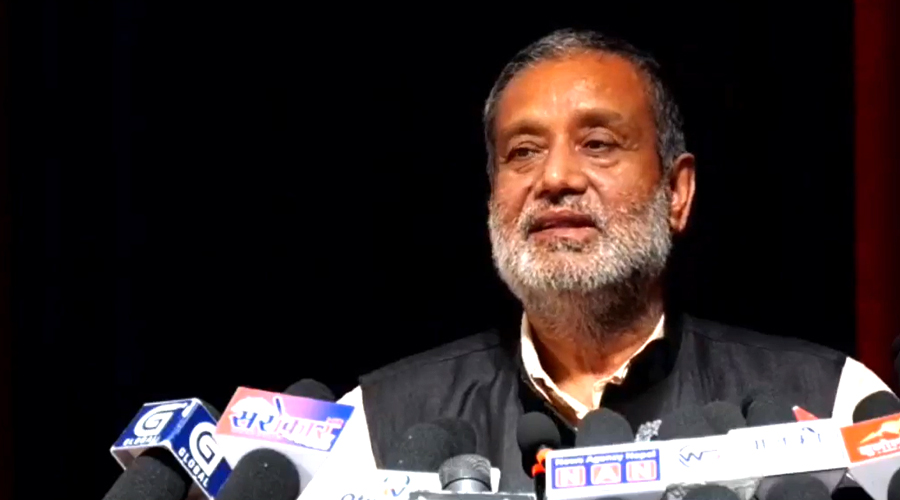
Bimalendra Nidhi, a prominent figure within the Nepali Congress party, has stated that the party's adoption of social democracy represents a regression rather than progress. He made this assertion during an event commemorating BP Koirala's memorial day. Nidhi specifically argued that if the Congress party has indeed embraced the agenda of social democracy, it signifies a backward step for the party. He expressed his strong conviction that this ideological shift moves away from the foundational principles of democratic socialism championed by BP Koirala. Nidhi's statement suggests a significant internal debate within the Nepali Congress regarding its core ideology and future direction. The party's historical commitment to democratic socialism is being questioned by some of its own senior members.
The Nepali Congress's potential ideological pivot from democratic socialism to social democracy, as voiced by Bimalendra Nidhi, warrants examination through the lens of political evolution and electoral strategy. This shift could reflect a response to changing socio-economic conditions and voter demographics, aiming to broaden appeal in a competitive political landscape. However, such a transition also risks alienating traditional party bases who identify with the original socialist principles. Analyzing the long-term implications requires considering how this new platform aligns with Nepal's development trajectory and the global rise of various democratic models. The party's ability to articulate a coherent vision that bridges historical ideology with contemporary challenges will be crucial for its future relevance and electoral success over the next decade.
AI-generated to prompt reflection — not editorial opinion, not advice, not a statement of fact. How this works.