Conor McGregor's UFC Return Ends Abruptly Due to Injury
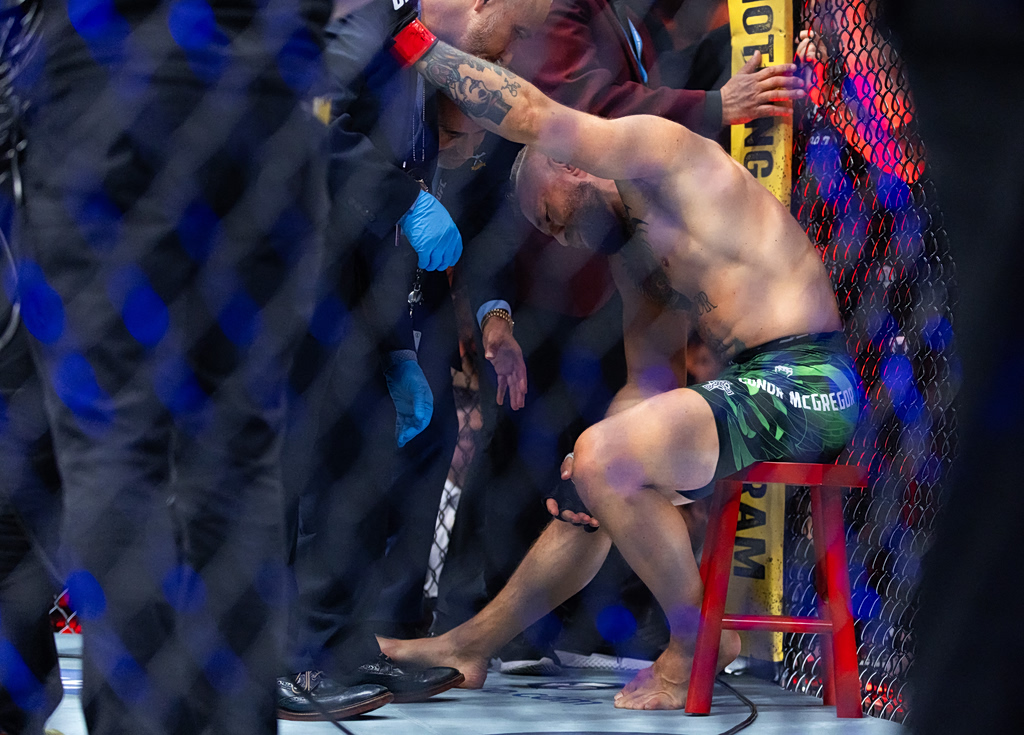
Conor McGregor's highly anticipated comeback to the UFC at UFC 329, after a five-year hiatus, concluded in the worst possible manner. The Irish fighter lasted only 70 seconds against Max Holloway before being forced to withdraw from the bout due to an injury. The problem arose during his very first offensive attempt, when he attempted an aerial kick. McGregor himself described his current situation as "living hell" following the disappointing outcome. This marks a significant setback for the former two-division champion, whose return was met with considerable fanfare.
The abrupt end to Conor McGregor's UFC return highlights the inherent risks and unpredictability in professional combat sports. While McGregor's personal narrative frames the event as a personal struggle, from a systemic perspective, such outcomes underscore the critical importance of robust athlete support systems, injury prevention protocols, and comprehensive career management strategies. The financial and emotional investment by fans and promoters in high-profile bouts necessitates a focus on fighter longevity and well-being, beyond immediate competitive results. Looking ahead, the integration of advanced sports science and data analytics could offer greater insights into mitigating such career-altering injuries, ensuring a more sustainable future for athletes in high-impact disciplines.
AI-generated to prompt reflection — not editorial opinion, not advice, not a statement of fact. How this works.