Conservation Framing Masks Political Roots of Human-Wildlife Conflict
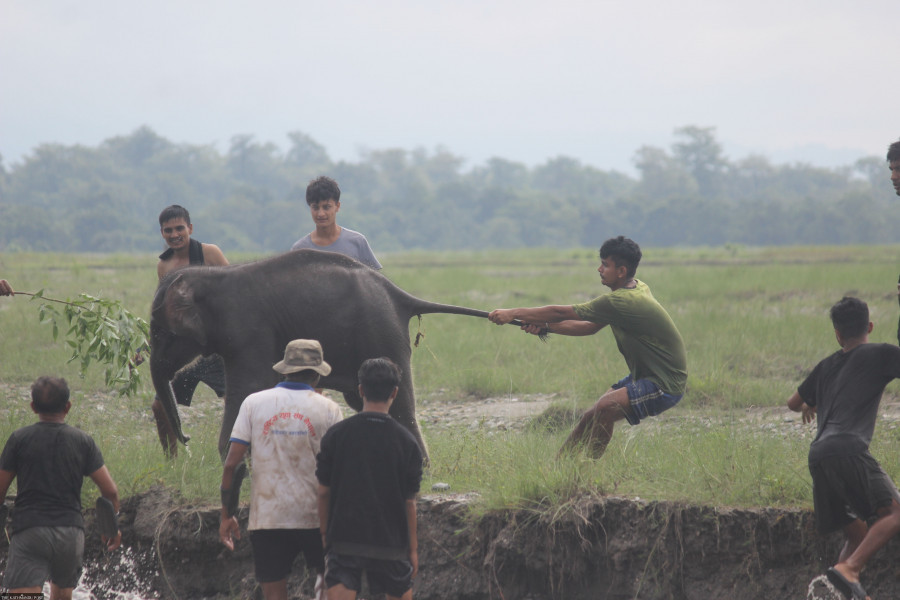
The term 'human-wildlife conflict' is criticized for naturalizing a problem that is actually rooted in political decisions. This framing serves to obscure the underlying choices made by policymakers and conservation organizations. Consequently, powerful actors within the conservation sphere are shielded from necessary scrutiny regarding their role in exacerbating these conflicts. The original framing implies a natural, inevitable clash between humans and animals, diverting attention from the human systems and decisions that shape these interactions. This perspective suggests that by labeling the issue as 'human-wildlife conflict,' the focus shifts away from accountability for the political and economic factors at play. It allows for the continuation of practices that may inadvertently, or perhaps intentionally, displace human communities or alter natural habitats in ways that lead to increased friction with wildlife. The analysis calls for a re-evaluation of how these conflicts are understood and discussed, advocating for a more politically aware and accountable approach to conservation.
The framing of 'human-wildlife conflict' may inadvertently depoliticize issues that are fundamentally driven by human governance and resource allocation decisions. By attributing conflict to an inherent clash between species, the analysis suggests that the responsibility of policymakers and conservation bodies in shaping land use, community displacement, and economic incentives is obscured. This can create a system where powerful conservation actors operate with reduced accountability, potentially perpetuating cycles of conflict. Future approaches could benefit from explicitly integrating socio-political and economic analyses into conservation strategies, ensuring that the human systems driving these interactions are addressed, thereby fostering more equitable and sustainable outcomes for both human and wildlife populations.
AI-generated to prompt reflection — not editorial opinion, not advice, not a statement of fact. How this works.