Constitutional Court Extends Terms, But Legislative Deadlock May Persist
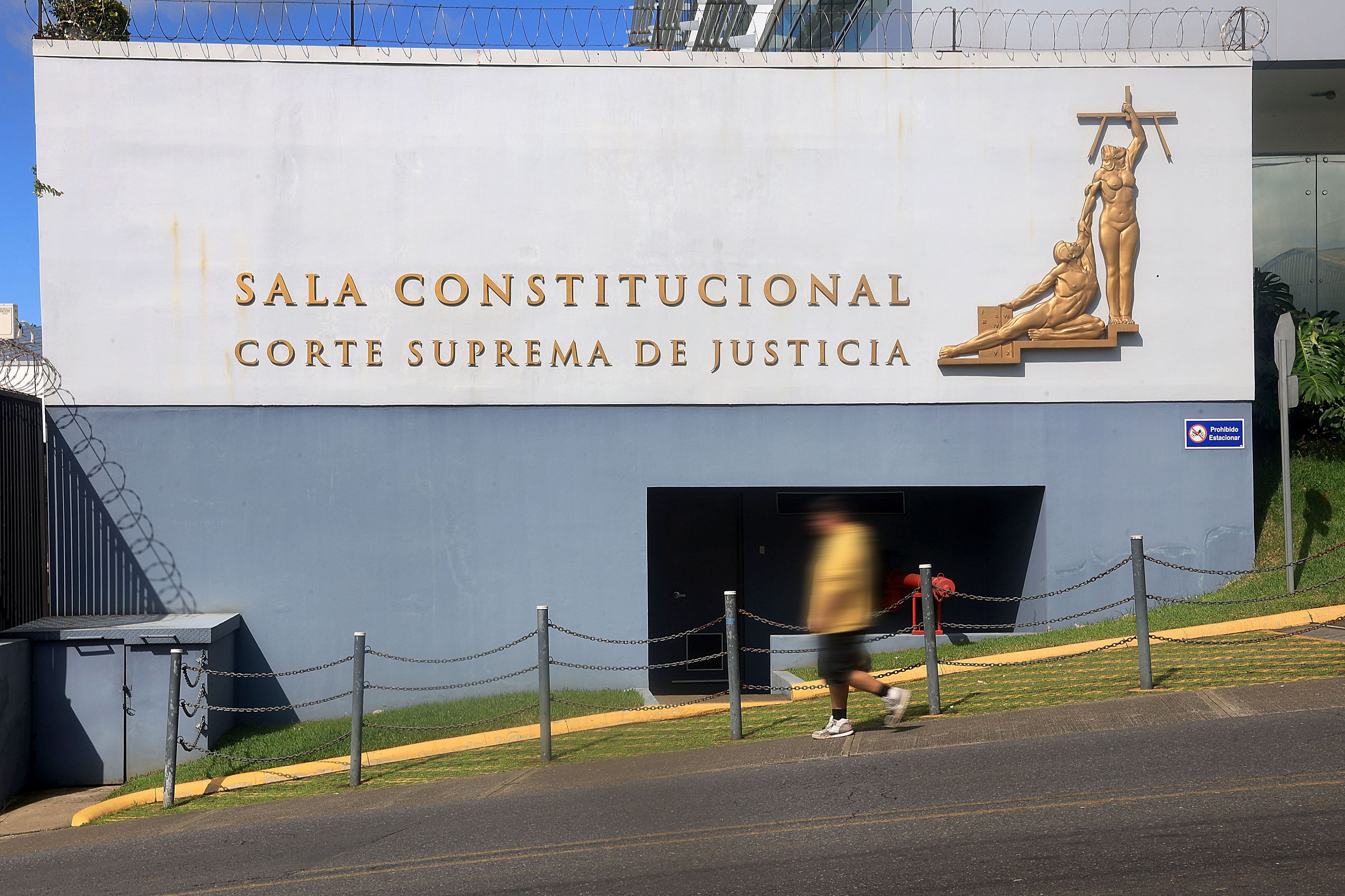
The Constitutional Court has ensured its continued operation by extending the terms of its substitute magistrates. This decision prevents the court from facing a technical closure. However, the Legislative Assembly remains under obligation to elect permanent replacements for these magistrates. The ongoing legislative deadlock could potentially hinder the timely appointment of these crucial positions. The court's continuity is vital for upholding constitutional order and resolving legal disputes. The extension provides a temporary reprieve, but the underlying issue of legislative inaction persists. This situation highlights the challenges in ensuring the independence and full functionality of judicial bodies when faced with political gridlock. The public awaits a resolution that will allow the court to operate with its full complement of judges.
The Constitutional Court's temporary solution to its operational deficit through magistrate term extensions addresses immediate functional needs. However, it underscores a systemic governance challenge where legislative inaction can imperil judicial independence and efficacy. This situation presents a trade-off between maintaining essential services and the principle of timely democratic accountability in appointments. The prolonged legislative impasse may signal deeper political fragmentation, potentially impacting the rule of law and public trust in institutions over the next decade. Future reforms could explore mechanisms to de-link essential judicial functions from the vagaries of political negotiation, ensuring greater stability and predictability.
AI-generated to prompt reflection — not editorial opinion, not advice, not a statement of fact. How this works.