Constitutional Court Faces Crisis as 40 Cases Require Full Bench Replacement
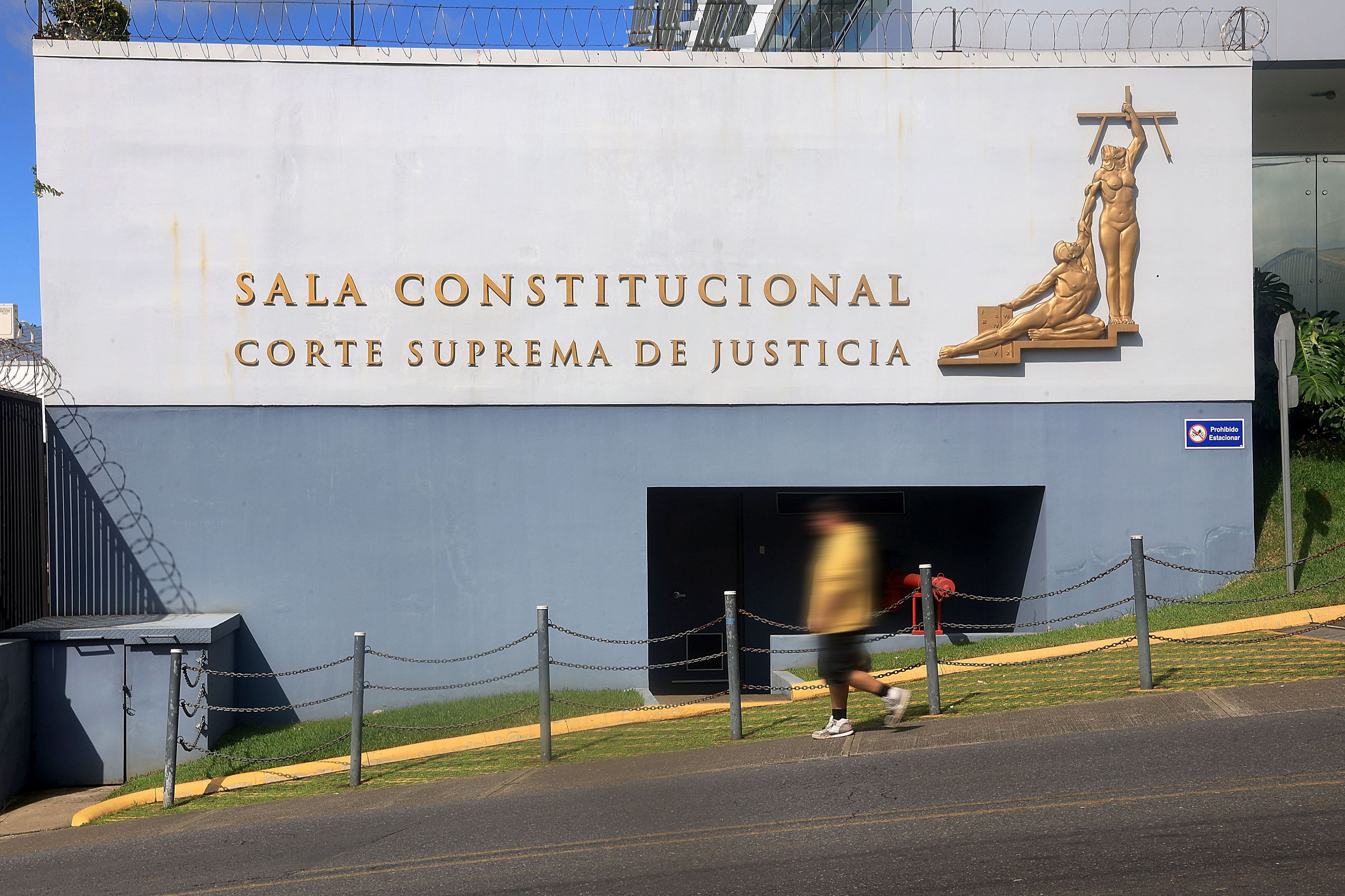
Afghanistan's Constitutional Court is experiencing a significant judicial crisis, with 40 pending cases necessitating the replacement of the entire bench of magistrates. This situation arises from multiple layers of paralysis affecting the court's operations. Some cases require the appointment of substitute judges, while others involve partial recusal of magistrates. However, the most critical issue involves 40 cases where the sheer number of recused or unavailable judges forces a complete overhaul of the court's composition for those specific proceedings. This widespread need for substitutions highlights a deep-seated problem within the court's capacity to handle its caseload impartially and efficiently.
The extensive need for magistrate substitutions in Afghanistan's Constitutional Court suggests potential systemic issues in judicial impartiality or capacity. This situation could stem from various factors, including conflicts of interest, ethical concerns, or a lack of sufficient qualified personnel. The reliance on frequent replacements may undermine judicial consistency and public trust in the court's rulings. Addressing the root causes, whether through enhanced ethical guidelines, expanded judicial training, or a review of appointment processes, will be crucial for ensuring the court's long-term stability and effectiveness in upholding constitutional principles.
AI-generated to prompt reflection — not editorial opinion, not advice, not a statement of fact. How this works.