Constitutional Court Rejects Appeals, Upholds UNESCO Site Protection Over Development
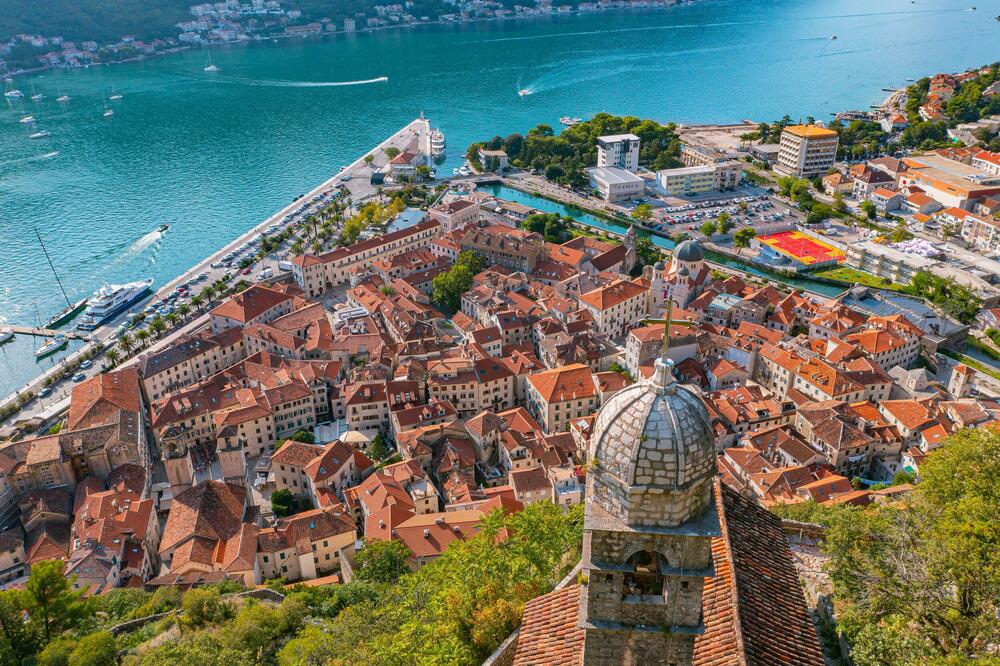
The Constitutional Court has upheld the decisions of lower courts, ruling that the mere application for a building permit does not create a vested right for its issuance, nor does it obligate the state to grant one. This decision prioritizes the protection of UNESCO World Heritage sites over potential development projects. The court's stance reinforces the principle that environmental and cultural heritage considerations must take precedence in land-use planning and permitting processes. The ruling implies that developers cannot claim an automatic entitlement to permits simply by submitting an application, especially when such developments might impact protected areas. This legal precedent is expected to strengthen the hand of authorities tasked with safeguarding UNESCO sites from encroaching construction. The court's affirmation of existing legal interpretations provides clarity and consistency in how such cases are adjudicated. It underscores the importance of robust environmental impact assessments and adherence to international heritage protection standards. The decision aims to prevent irreversible damage to cultural and natural heritage by ensuring that development proposals undergo rigorous scrutiny.
This ruling highlights a critical tension between development pressures and the preservation of globally recognized heritage sites. The Constitutional Court's decision reinforces the legal framework that grants priority to UNESCO designations, signaling a commitment to international conservation standards. This approach aligns with a growing global awareness of the long-term value of cultural and natural heritage, which often outweighs short-term economic gains from development. Future policy may need to further clarify the balance, potentially through more stringent pre-application reviews and stakeholder engagement processes, to proactively address potential conflicts and ensure sustainable development practices that respect both local needs and global heritage imperatives.
AI-generated to prompt reflection — not editorial opinion, not advice, not a statement of fact. How this works.