Constitutional Court Rules on Application of New Bar Association Law
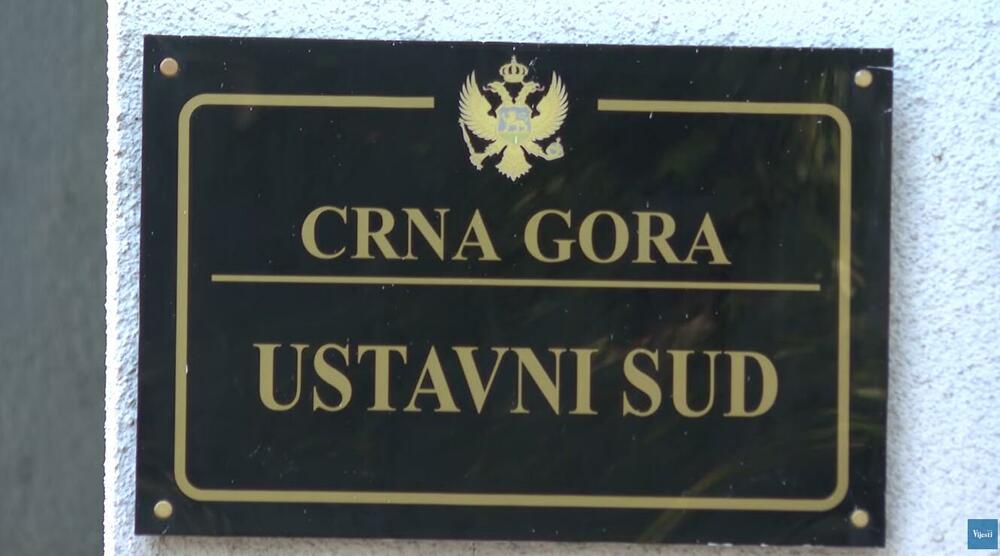
The Constitutional Court has clarified the application of the new Law on the Bar Association, distinguishing between true retroactivity and apparent retroactivity, also known as retrospectivity. The court's decision addresses how the new legal provisions will be implemented in practice. This distinction is crucial for understanding the scope and temporal reach of the law. The court's ruling aims to provide legal certainty regarding the application of the new regulations. The specifics of the case and the exact nature of the "new Advokatske" law were not detailed in the provided text. However, the court's intervention suggests a potential ambiguity or dispute regarding the law's implementation date or its effect on past events or statuses. The ruling is expected to guide legal professionals and the judiciary in interpreting and applying the relevant articles of the law. Further details on the court's reasoning and the specific legal provisions in question would be necessary for a complete understanding of the implications.
The Constitutional Court's clarification on retroactivity versus retrospectivity in the application of the new Bar Association law highlights a common challenge in legal transitions. This ruling likely aims to balance the need for updated professional standards with principles of legal certainty and fairness for existing practitioners. By differentiating these concepts, the court provides a framework to prevent arbitrary application of new rules to past conduct, potentially mitigating legal challenges and fostering a more predictable professional environment. This judicial guidance is essential for ensuring that legislative changes, particularly those impacting established professions, are implemented in a manner that respects established rights while allowing for necessary reforms.
AI-generated to prompt reflection — not editorial opinion, not advice, not a statement of fact. How this works.