Constitutional Court Ruling Opens Door to Erasing Historical News
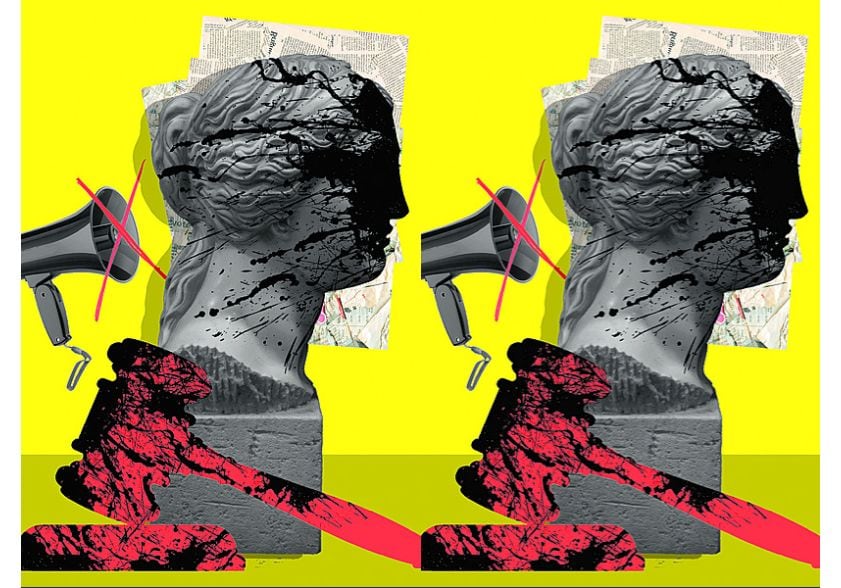
The Constitutional Court (TC) has ruled in favor of a habeas data request, potentially allowing for the removal of historical news articles from public record. Five out of seven magistrates voted to grant the request filed by Lorena Bellina against a newspaper. This decision orders the suppression of three journalistic pieces that were related to the criminal network of Rodolfo Orellana. The court's action, whether intended or not, may set a precedent for erasing documented historical events from journalistic archives. This ruling raises concerns about the integrity of historical information and the potential for censorship. The implications for journalistic freedom and the public's right to access information are significant.
This ruling by the Constitutional Court introduces a complex dynamic between individual privacy rights and the public's right to historical information. By allowing the suppression of news articles, the court's decision could inadvertently create a mechanism for individuals or groups to sanitize their past, potentially impacting the historical record. This raises questions about the long-term implications for journalistic accountability and the accessibility of factual reporting. Future considerations might involve balancing the 'right to be forgotten' with the imperative of preserving historical truth, especially in cases involving documented criminal activities. The decision could influence how legal frameworks address digital archives and the permanence of published information in an increasingly interconnected world.
AI-generated to prompt reflection — not editorial opinion, not advice, not a statement of fact. How this works.