Constitutional Reform Rejected, Professor Diaw Cites Institutional Tensions
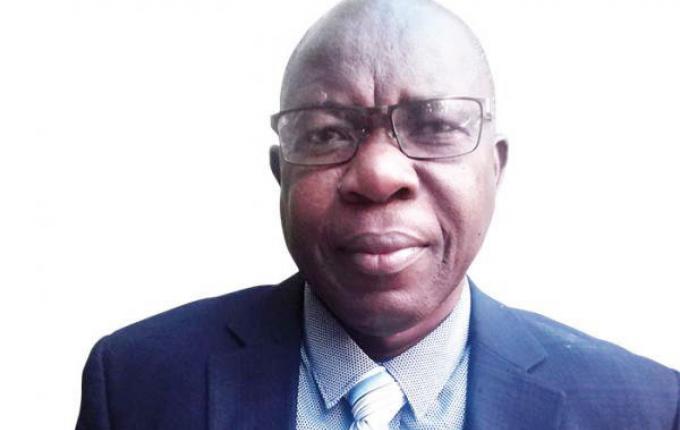
The Constitutional Council's rejection of a proposed constitutional revision on Tuesday has sparked ongoing reactions. Professor Moussa Diaw, a political science lecturer at Gaston Berger University, believes this decision highlights the institutional tensions that characterized the reform's adoption process. Following the censure, Professor Diaw stated that the reform remains problematic even after the Council's ruling. The rejection by the Constitutional Council signifies a significant hurdle for the proposed changes. Professor Diaw's remarks suggest a deeper dissatisfaction with the procedural aspects and underlying institutional dynamics. The situation underscores the complexities involved in constitutional amendments and the potential for conflict between different branches of government. Further analysis of the specific reasons for the rejection and the broader implications for Senegalese governance is warranted.
The Constitutional Council's rejection of the proposed constitutional revision, as noted by Professor Moussa Diaw, points to potential systemic friction within Senegal's governance framework. Such institutional disagreements can arise from differing interpretations of legal mandates or power dynamics between governmental bodies. This event may reflect challenges in aligning legislative intent with constitutional safeguards, particularly as political reforms are advanced. Looking ahead, navigating these institutional tensions will be crucial for ensuring the stability and legitimacy of future policy initiatives and for fostering a more cohesive approach to constitutional governance in the digital age.
AI-generated to prompt reflection — not editorial opinion, not advice, not a statement of fact. How this works.