Constitutional Revision: Political Standoff Moves to Full Parliamentary Vote
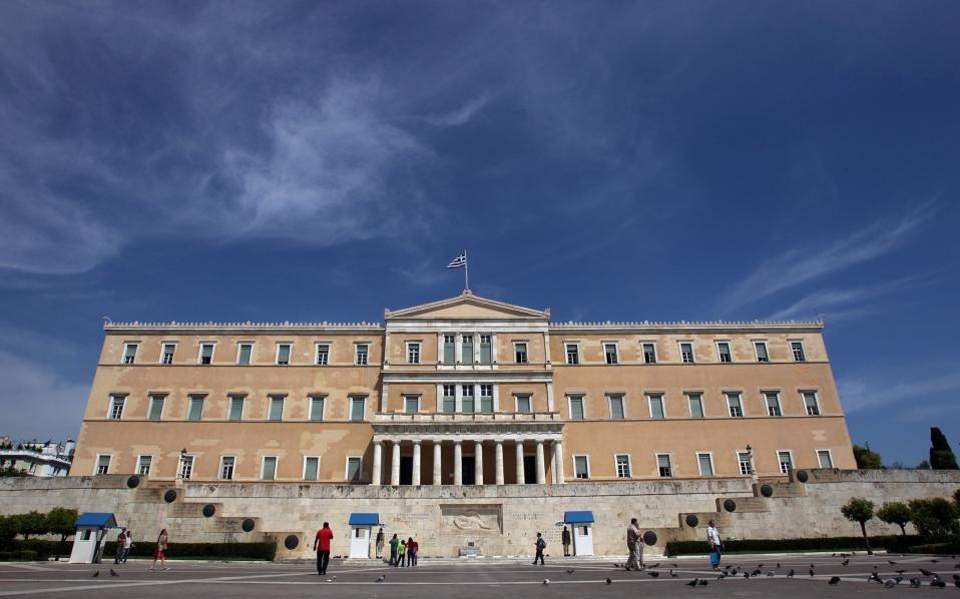
The Greek Parliament is set to hold its first vote on constitutional revision on Monday, July 27. This marks a significant escalation of the political debate, moving the contention from committee stages to the full plenary session. The revision process involves significant legal and political considerations, requiring broad consensus for substantial changes to the nation's foundational law. The upcoming vote will indicate the initial level of support for the proposed amendments among the parliamentary body. Further readings and votes will follow, shaping the eventual outcome of the constitutional review. The political maneuvering and strategic positioning are expected to intensify as the process unfolds. This stage is crucial for determining the trajectory of the proposed constitutional changes.
The upcoming parliamentary vote on constitutional revision signifies a critical juncture in Greece's legislative process. The shift to the full plenary session indicates a move from preliminary discussions to a more definitive stage of decision-making. The outcome will reflect the current political alignments and the government's ability to garner sufficient support for its proposed amendments. This process is subject to the dynamics of parliamentary negotiation and the broader political climate, highlighting the interplay between legislative intent and political feasibility. The long-term implications will depend on the extent of consensus achieved and the subsequent ratification procedures, potentially influencing the country's governance framework for years to come.
AI-generated to prompt reflection — not editorial opinion, not advice, not a statement of fact. How this works.