Construction company ordered to pay R$20,000 for damages to neighboring home
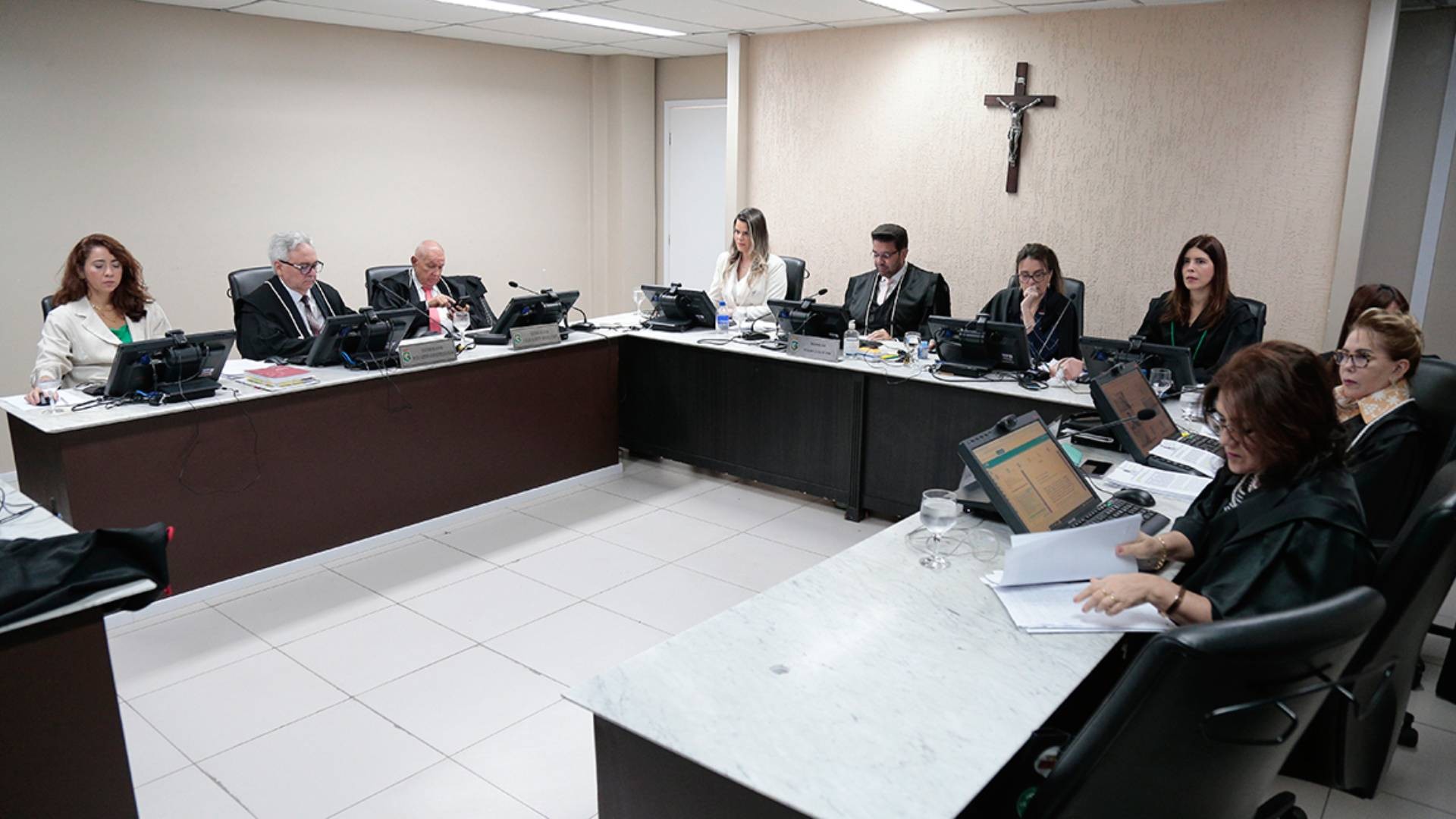
A homeowner in Caucaia, Ceará, Brazil, has been awarded R$20,000 in compensation from Koru Engenharia after construction work on an adjacent property caused significant damage to her residence. The decision, confirmed by the 2nd Private Law Chamber of the Court of Justice of Ceará (TJCE), stems from events that began in 2020 when the construction company started earthmoving operations near the woman's home, where she has lived for over two decades. Heavy machinery operating approximately 10 meters from her house allegedly generated strong vibrations, leading to structural cracks and compromising the integrity of her home. The homeowner also reported damage to her water tank, causing leaks and infiltration, and claimed that electronic devices were damaged as a result of the vibrations. Initial attempts at resolution between the parties were unsuccessful, with the construction company only offering to repair the plaster. The case proceeded to court, where the 2nd Civil Court of Caucaia initially ruled in October 2025 that the construction work was responsible for the damages, awarding R$15,000 for material losses and R$5,000 for moral damages. Koru Engenharia appealed this decision. A technical expert appointed by the judiciary confirmed the presence of fissures and cracks in the walls, beams, and other structural elements of the house, both internally and externally. Similar damage was observed in two other neighboring properties, strengthening the correlation between the construction activity and the damages, according to the appellate judge Carlos Alberto Mendes Forte. The TJCE upheld the initial ruling, noting that the construction company failed to present a substantive technical report to counter the expert's findings. The final decision by the 2nd Private Law Chamber unanimously confirmed the expert's findings and maintained the R$20,000 compensation award.
This case highlights the critical importance of robust civil engineering practices and adherence to proximity regulations during construction projects. The legal process, including expert testimony and judicial review, served to validate the homeowner's claims of structural damage directly attributable to the construction firm's operations. The company's failure to provide a strong technical defense against the expert's findings suggests a potential gap in their internal risk assessment or documentation protocols. Moving forward, construction entities operating in densely populated areas should proactively implement advanced vibration monitoring and mitigation strategies, alongside transparent communication and compensation frameworks, to prevent future disputes and ensure community well-being. This incident underscores the need for regulatory bodies to ensure that construction standards adequately protect surrounding properties from the foreseeable impacts of heavy machinery and earthworks, particularly in the context of increasing urbanization.
AI-generated to prompt reflection — not editorial opinion, not advice, not a statement of fact. How this works.