Consumers Face Long Waits for Gas Refills in Nepal
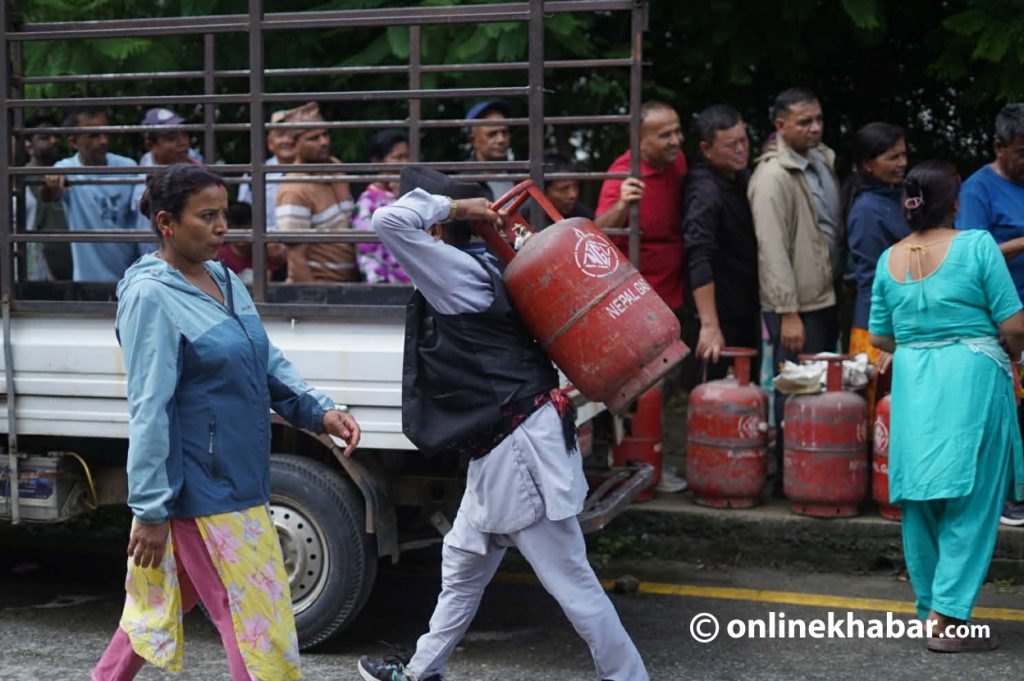
Consumers in Nepal are experiencing significant delays in refilling their gas cylinders, with some reporting waits of several weeks. On Sunday, a large crowd gathered at the industrial area in Balaju, Kathmandu, to obtain Nepal Gas. The widespread complaints highlight a growing problem of gas scarcity and distribution issues affecting households. The situation has become a major point of frustration for many consumers who rely on gas for daily cooking and other essential needs. The long queues and extended waiting times suggest a potential disruption in the supply chain or an increase in demand that the current distribution network is struggling to meet. This recurring issue points to ongoing challenges in ensuring consistent access to essential resources for the population. The government and gas companies are likely facing pressure to address these logistical hurdles and improve the efficiency of gas distribution across the country. The visual of crowds lining up underscores the urgency of the situation and the impact on ordinary citizens.
The recurring gas shortages in Nepal, exemplified by the crowds in Balaju, suggest systemic inefficiencies in the distribution network or supply chain management. This situation highlights the vulnerability of essential services to logistical bottlenecks and demand fluctuations. In the context of increasing urbanization and economic development, such disruptions can have a significant impact on household stability and economic productivity. Future policy interventions might focus on diversifying energy sources, improving infrastructure, and implementing more resilient supply chain models to mitigate the risk of future shortages. The long-term challenge lies in building a more robust and responsive system that can anticipate and adapt to changing consumer needs and external pressures.
AI-generated to prompt reflection — not editorial opinion, not advice, not a statement of fact. How this works.