Consumption Tax: 38 Years of History Influencing Political Power Shifts
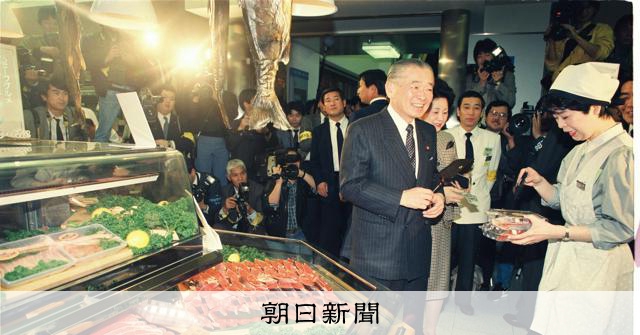
Introduced 38 years ago, the consumption tax has consistently influenced Japanese politics, impacting the rise and fall of administrations. Its history is marked by continuous political maneuvering and its significant role in shaping government stability. The tax's enduring presence has made it a recurring theme in political discourse and policy debates.
Over nearly four decades, the consumption tax has been a pivotal factor in electoral outcomes and policy decisions. Governments have often found their popularity and longevity tied to their management of this tax. Its introduction and subsequent adjustments have frequently been central to political campaigns and parliamentary struggles, demonstrating its deep integration into the fabric of Japanese governance. The tax remains a sensitive issue, capable of triggering significant public reaction and political consequences.
The consumption tax in Japan, over its 38-year history, has evolved from a fiscal tool into a potent political lever. Its persistent influence on government stability highlights a systemic tension between revenue generation needs and public acceptance. Future administrations will likely continue to grapple with balancing fiscal prudence against the political risks associated with tax adjustments. The long-term sustainability of public services may increasingly depend on finding innovative revenue models that mitigate the political volatility inherent in broad-based consumption taxes, especially in an era of demographic shifts and evolving economic structures.
AI-generated to prompt reflection — not editorial opinion, not advice, not a statement of fact. How this works.