Contract Staff Protest Government's Outsourcing Plan
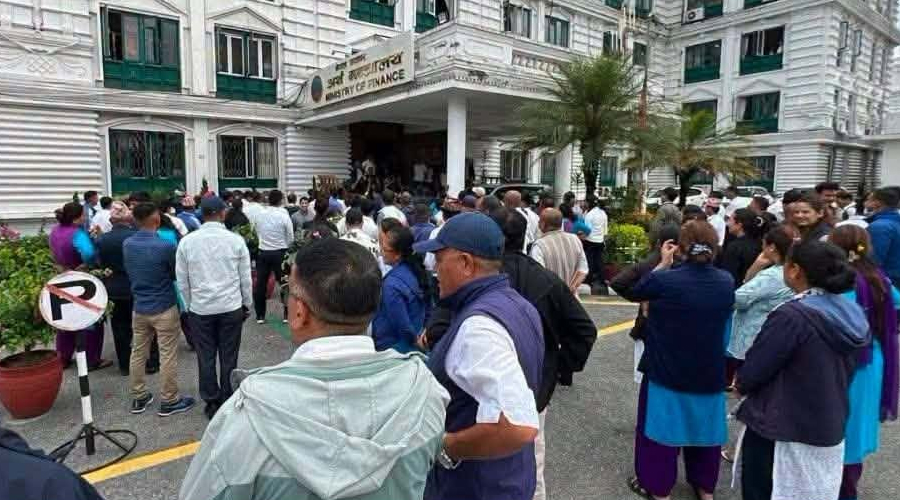
Contract, daily wage, and temporary employees in Nepal have launched protests against the government's plan to replace them with outsourced workers. The government intends to fill positions previously held by these employees through an outsourcing model. This decision has sparked widespread discontent among the affected workforce. The employees are demanding job security and permanent positions rather than being replaced by external service providers. The protests signify a direct challenge to the government's proposed labor policy shift. The specifics of the outsourcing model, including the companies involved and the terms of employment for new hires, are central to the ongoing dispute. The government has yet to release a detailed public statement addressing the concerns raised by the protesting employees.
The government's proposed shift towards an outsourcing model for employment, replacing contract, daily wage, and temporary staff, highlights a tension between fiscal efficiency and workforce stability. This strategy may aim to reduce long-term labor costs and increase operational flexibility. However, it risks alienating a significant segment of the existing workforce, potentially leading to social unrest and a decline in institutional knowledge. The long-term implications for employee morale, productivity, and the equitable distribution of economic benefits warrant careful consideration. Future employment frameworks may need to balance the advantages of agile staffing solutions with robust protections for workers to ensure sustainable economic development and social cohesion.
AI-generated to prompt reflection — not editorial opinion, not advice, not a statement of fact. How this works.