Controlled Burns Could Be Key to Saving Giant Sequoias from Extreme Wildfires
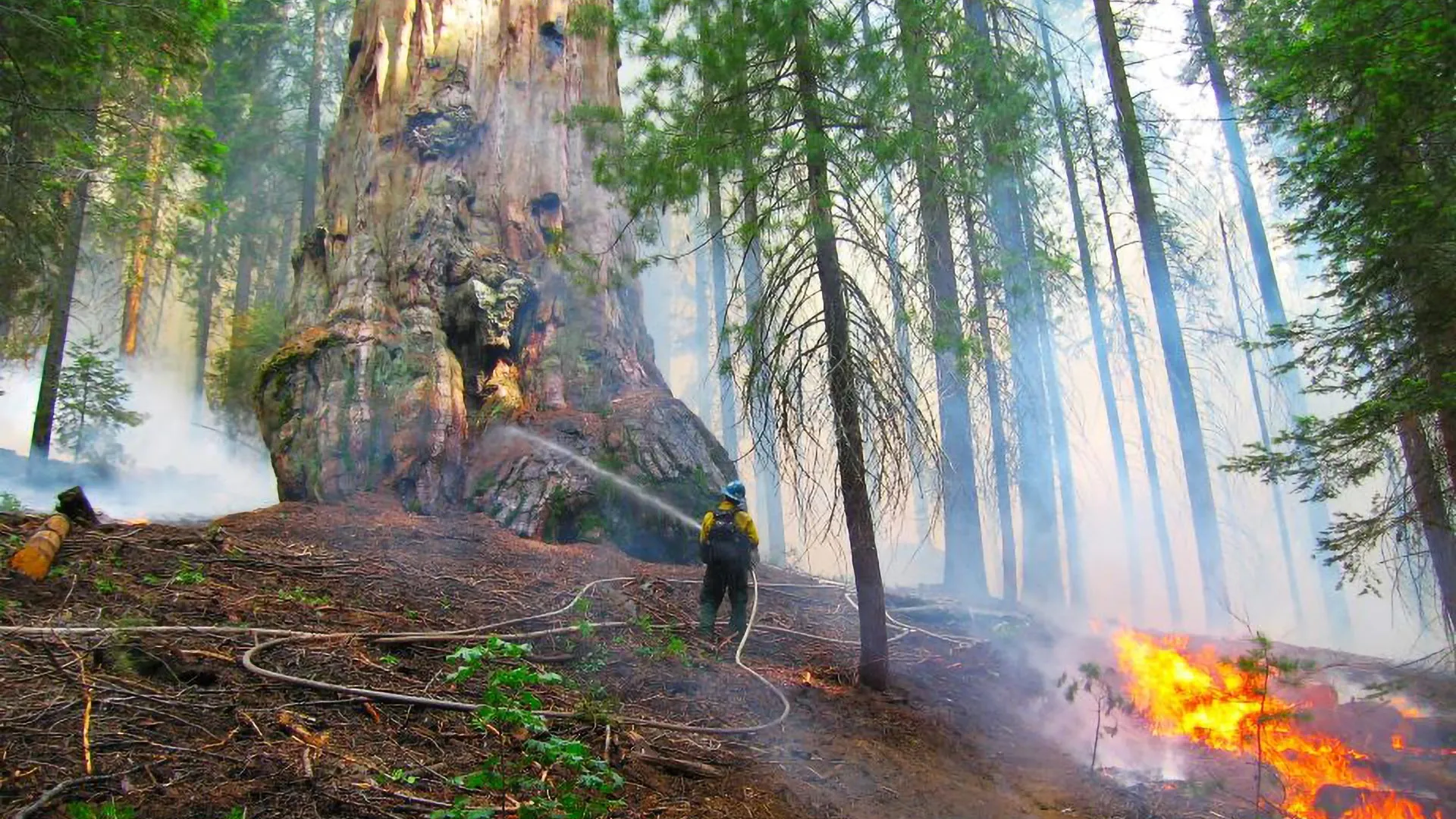
Giant sequoias, ancient trees capable of surviving centuries or millennia, are facing unprecedented threats from recent extreme wildfires. Despite their natural resilience to ordinary fires, thousands of these giants have perished. A recent analysis of approximately 26,400 giant sequoias has revealed a promising strategy for their preservation. Trees located in areas that underwent prescribed burns demonstrated a significantly higher survival rate, being nearly four times more likely to live.
Researchers estimate that these controlled fires were instrumental in preventing the deaths of around 1,900 sequoias. They further suggest that if prescribed burning had been implemented across all sequoia groves, thousands of additional trees could have been saved. This finding highlights the potential of carefully managed fire as a crucial tool in safeguarding these iconic trees against the escalating dangers of climate-change-fueled wildfires.
The escalating intensity of wildfires, exacerbated by climate change, presents a significant challenge to the long-term survival of giant sequoias. While these trees possess natural adaptations to fire, the current scale of extreme events overwhelms their resilience. The data suggests that prescribed burns, a form of ecological restoration, can mitigate wildfire impacts by reducing fuel loads and preparing the ecosystem for subsequent natural fire cycles. This approach represents a proactive management strategy, shifting from a purely reactive stance to one that leverages natural processes under controlled conditions. The effectiveness of prescribed burns highlights the complex interplay between forest management, ecological health, and climate adaptation, underscoring the need for continued research and investment in such nature-based solutions to protect vulnerable ecosystems.
AI-generated to prompt reflection — not editorial opinion, not advice, not a statement of fact. How this works.