Controversial Google Data Center in Kronstorf Raises EU AI Independence Concerns
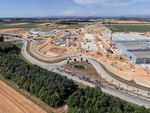
A planned Google data center in Kronstorf, Austria, has become a focal point for debate regarding the European Union's strategy for greater independence from the United States in artificial intelligence. Critics question the effectiveness of this strategy, pointing out that such critical infrastructure is often owned by major US tech giants. The development raises concerns about who truly benefits from and controls these AI capabilities within Europe. The project highlights a potential conflict between the EU's ambition for digital sovereignty and the reality of reliance on foreign technology companies. Environmental and societal impacts are also a significant part of the discussion, with 'man and nature' being cited as potentially disadvantaged. The location in Kronstorf is becoming emblematic of these broader geopolitical and environmental tensions surrounding the expansion of large tech facilities.
The EU's pursuit of AI independence, while strategically vital, faces inherent challenges when reliant on infrastructure owned by non-EU entities. This situation presents a complex governance dilemma, balancing the desire for technological sovereignty with the economic realities of global tech markets. The concentration of data center ownership among a few large corporations raises questions about market competition and the equitable distribution of benefits derived from AI advancements. Future policy considerations may need to explore innovative ownership models or regulatory frameworks that ensure genuine European control and foster a more decentralized AI ecosystem, thereby mitigating risks associated with foreign technological dependencies and promoting sustainable development.
AI-generated to prompt reflection — not editorial opinion, not advice, not a statement of fact. How this works.