Controversy Over Pardons for Former Military Personnel
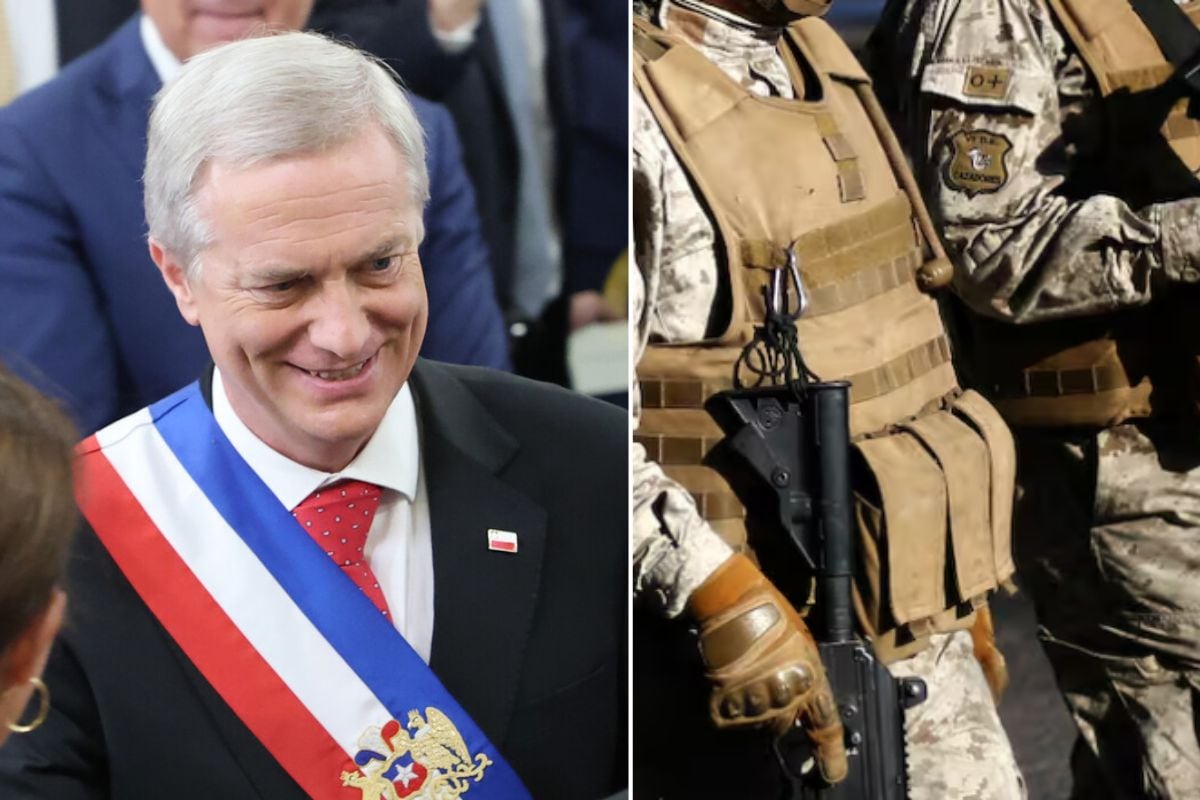
A proposal to address the issue of pardons for former military personnel in the legislative arena is not inherently objectionable, as Congress is considered the primary venue for political agreements. However, if the legislative body fails to reach a consensus, the decision will ultimately fall to the President. This situation highlights a potential political impasse regarding the granting of pardons to ex-uniformed officers. The discussion centers on whether such matters should be decided by lawmakers or by the executive branch, particularly if legislative agreement proves elusive. The President's role as the final arbiter underscores the weight of this decision and the potential for significant political ramifications.
The legislative branch's potential involvement in pardon decisions reflects a tension between political consensus-building and executive prerogative. If Congress cannot reach an agreement, the burden shifts to the President, potentially creating a bottleneck or a politically charged decision point. This dynamic raises questions about accountability and the appropriate separation of powers in sensitive matters. The future may see clearer frameworks for such decisions to avoid political deadlock and ensure consistent application of justice, considering evolving societal norms and legal precedents.
AI-generated to prompt reflection — not editorial opinion, not advice, not a statement of fact. How this works.