Convective Storms Now Biggest Weather Threat to US Homes, Study Reveals
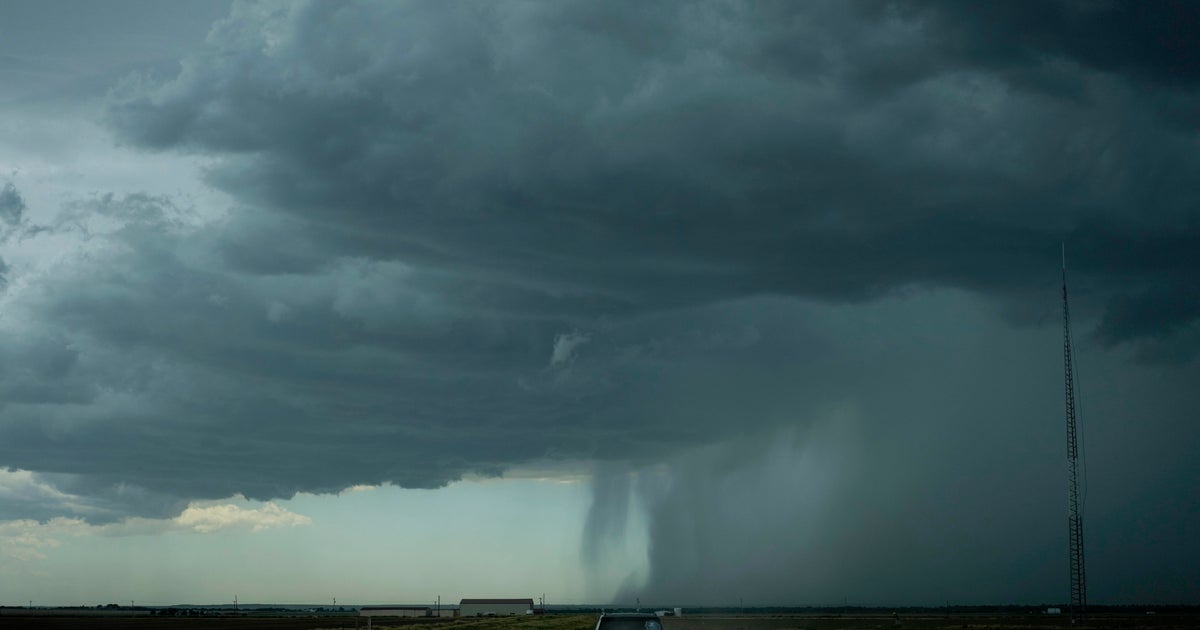
Severe convective storms, not hurricanes, now pose the greatest weather-related financial risk to homeowners in the United States, according to a new study. These intense storms, characterized by heavy rain, hail, strong winds, and lightning, are responsible for a significant portion of economic losses stemming from natural disasters globally. The research indicates that convective events account for approximately one-third of all economic damages worldwide caused by natural catastrophes. This finding suggests a shift in the primary weather-related threat landscape, moving beyond traditional concerns like hurricanes and tropical cyclones. Homeowners and insurers may need to re-evaluate risk assessments and mitigation strategies to address this evolving threat. The study's findings highlight the increasing impact of these widespread, yet often localized, weather phenomena on property and infrastructure.
The study's findings underscore a critical shift in climate risk perception, moving beyond the singular focus on large-scale events like hurricanes. Convective storms, while often less publicized, inflict substantial economic damage due to their frequency and widespread nature, impacting a broad base of insured properties. This necessitates a recalibration of risk modeling and insurance underwriting, potentially leading to increased premiums or altered coverage availability for homeowners in vulnerable regions. The analysis suggests that a more diversified approach to climate resilience planning is required, integrating mitigation strategies for severe thunderstorms, hail, and flash floods alongside existing hurricane preparedness measures. This evolving threat landscape highlights the interconnectedness of weather systems and their cumulative economic impact in the face of a changing climate.
AI-generated to prompt reflection — not editorial opinion, not advice, not a statement of fact. How this works.