Coopama's TRR Service Delivers Diesel Directly to Rural Properties
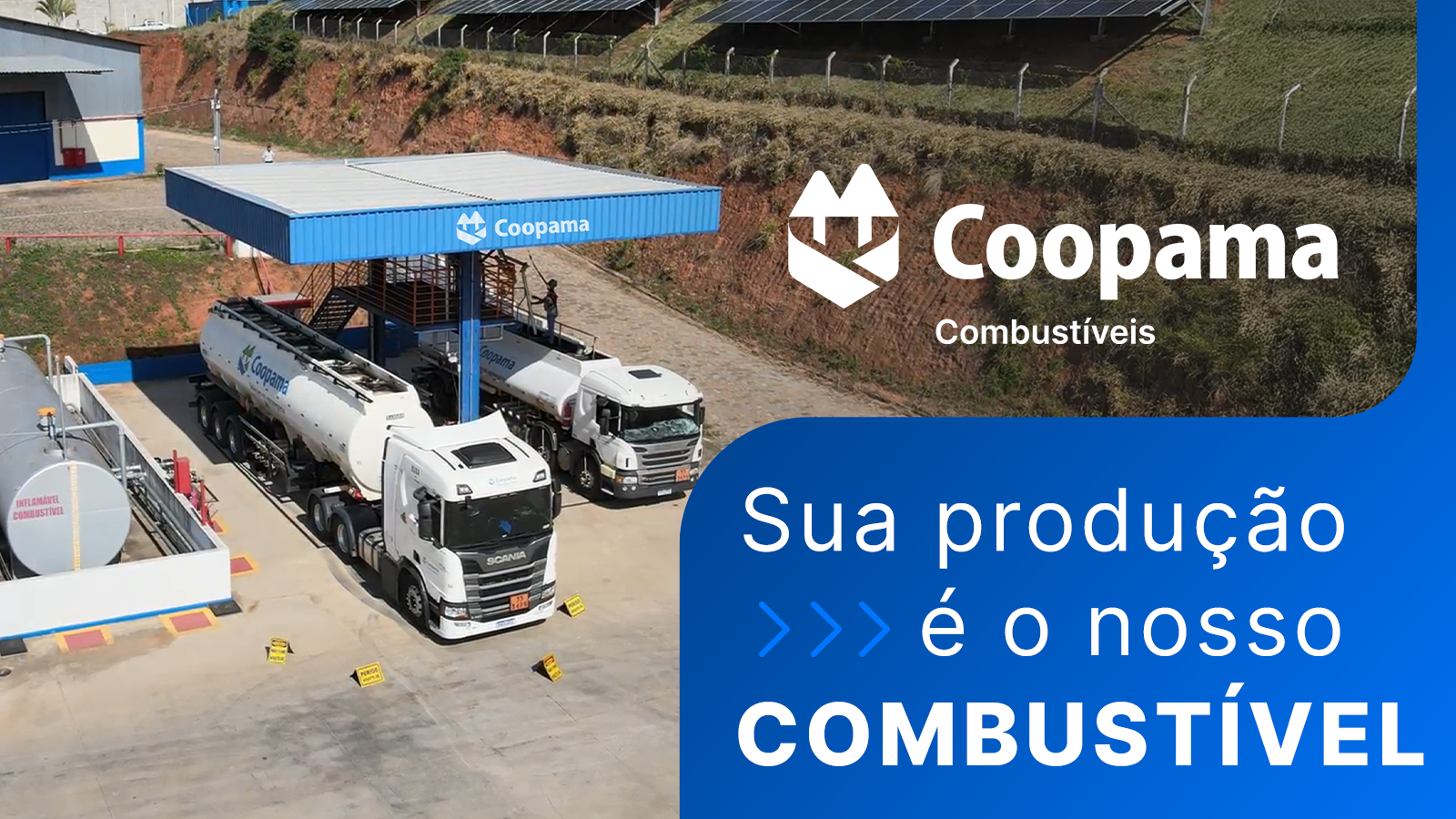
Coopama has launched its TRR (Transportador-Revendedor-Retalhista) service to provide direct diesel fuel supply to rural properties, aiming to enhance agricultural productivity. This service, authorized by the National Agency of Petroleum, Natural Gas and Biofuels (ANP), allows Coopama to purchase diesel from distributors and deliver it in bulk to farms and businesses. The direct delivery model offers increased convenience, safety, and logistical efficiency for rural producers. By eliminating the need for producers to travel for fuel, the service optimizes operational time and ensures greater availability of fuel for agricultural machinery and equipment. Coopama meticulously selects its fuel suppliers, conducts regular quality analyses, and utilizes its own fleet with trained personnel and certified vehicles to guarantee that diesel is delivered according to required standards and contracted quantities. For producers considering on-site storage, Coopama emphasizes the importance of careful planning, including projects by qualified professionals and adherence to technical and environmental regulations. Depending on tank capacity, specific licenses and permits may be necessary. Safe installation requires an impermeable base, containment basins, proper signage, and certified equipment to protect both the operation and the environment. Post-installation, routine fueling demands adherence to safety protocols, such as using personal protective equipment, verifying seals upon delivery, regular system inspections, and maintaining updated documentation. Beyond fuel supply, Coopama also offers INMETRO and ABNT-certified storage tanks and provides technical guidance to help producers select appropriate infrastructure and comply with legal requirements, presenting a comprehensive solution for agricultural fuel needs.
The introduction of Coopama's TRR service addresses a critical logistical bottleneck in agricultural operations by bringing fuel directly to the point of use. This model shifts the burden of fuel procurement and storage from individual producers to a specialized service provider, potentially improving operational efficiency and reducing downtime. However, it also centralizes fuel management, creating a dependency on Coopama's supply chain and service reliability. Producers adopting this service must weigh the benefits of convenience and optimized time against the risks associated with relying on a single provider and the potential costs associated with on-site storage infrastructure, which requires significant planning and compliance with safety and environmental regulations. The long-term sustainability of such models will depend on maintaining competitive pricing, robust quality control, and adaptable logistics in response to evolving agricultural practices and fuel demands.
AI-generated to prompt reflection — not editorial opinion, not advice, not a statement of fact. How this works.