Cooperation as a Counterbalance to Power in Greece
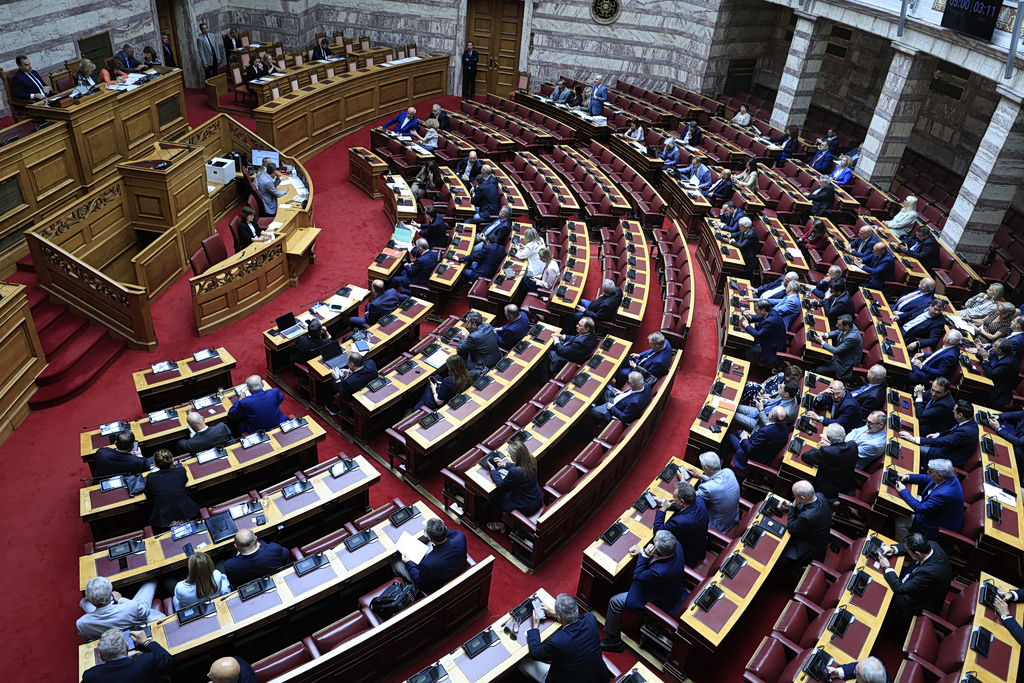
A Scandinavian ambassador once inquired why political cooperation is the exception rather than the rule in Greece. The author attributes this phenomenon to the ingrained mentality fostered by the country's educational system, shaped by specific historical circumstances. While the full explanation was not provided in the excerpt, the core issue identified is a systemic tendency away from collaborative political engagement. This suggests a cultural or structural impediment to forming broad-based alliances and partnerships within the Greek political landscape. The ambassador's question highlights a perceived difference in political culture between Greece and Scandinavian nations, where cooperation might be more prevalent. The author's response points to the educational system as a key factor in cultivating this mindset. Further discussion would likely delve into how historical events and educational practices have discouraged collective action and encouraged more individualistic or factional approaches to politics in Greece. This perspective implies that fostering greater political cooperation would require addressing fundamental aspects of the Greek educational and historical narrative. The underlying theme is the challenge of overcoming ingrained patterns to build stronger, more collaborative political structures.
The observation that political cooperation is an exception in Greece, contrasted with Scandinavian norms, points to potential systemic issues in governance and civic engagement. The educational system's role in shaping this mentality suggests that historical narratives and pedagogical approaches may inadvertently discourage collective action. Examining the incentive structures within the Greek political system, including electoral laws and party dynamics, could reveal further barriers to coalition-building. Understanding how these factors interact with cultural predispositions is crucial for fostering more collaborative governance. Over the next decade, as global challenges increasingly demand coordinated responses, Greece's capacity for effective cooperation will be a significant determinant of its resilience and progress. Addressing these ingrained patterns may require a multi-faceted approach, involving educational reform and institutional adjustments to promote a culture of shared responsibility and collective problem-solving.
AI-generated to prompt reflection — not editorial opinion, not advice, not a statement of fact. How this works.