Copacabana Leads World in Short-Term Rental Density; Rio Has Over 48,000 Listings
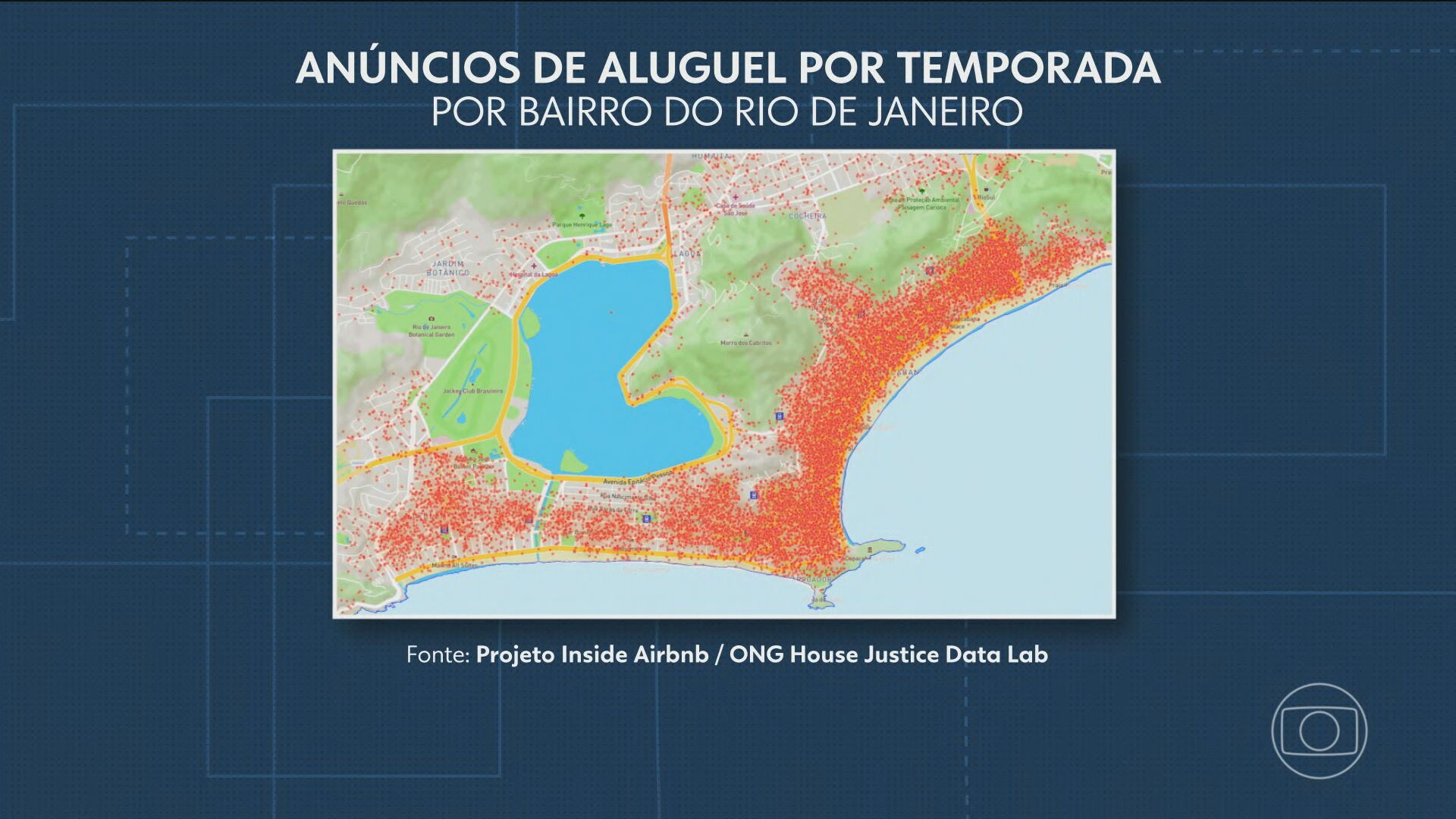
A study by the international NGO Inside Airbnb reveals Rio de Janeiro is a global leader in short-term rentals, with 48,193 active listings on the main platform as of June 2024. This represents an 11% increase from approximately 42,500 properties available in June 2023. The research highlights Copacabana as having the highest density of short-term rental listings per square kilometer globally, with 2,852 listings in one section alone. Copacabana hosts a total of 13,174 registered properties, accounting for 30.94% of the city's total offering. The study, conducted by architects, urban planners, and data scientists, also identified listings in 134 favelas, notably Vidigal, Cantagalo, and Pavão-Pavãozinho. This market expansion coincides with a surge in tourism, with nearly 6.5 million visitors generating R$17.2 billion in the first half of 2024. Conversely, traditional long-term rental properties in Rio saw a 31.8% decrease between 2023 and 2026, with prices rising. The research indicates a professionalization of the market, characterized by a prevalence of entire homes and multiple listings managed by single hosts. This trend is expected to intensify discussions around regulation due to the pressure short-term rentals exert on the residential market, particularly influenced by foreign visitor spending power.
The surge in short-term rentals in Rio de Janeiro, particularly in densely populated areas like Copacabana, reflects global urban dynamics driven by tourism and platform economies. While this activity boosts the local economy through visitor spending, it simultaneously exerts significant pressure on the traditional housing market, leading to reduced availability and increased costs for long-term residents. This creates a systemic tension between tourism revenue generation and housing affordability, a challenge faced by many global cities. The professionalization of the market, with hosts managing multiple properties, suggests a shift towards commercial operations rather than casual renting, necessitating a review of regulatory frameworks. Future policy considerations should balance the economic benefits of tourism with the imperative of ensuring equitable access to housing for local populations, potentially exploring differentiated zoning or taxation strategies.
AI-generated to prompt reflection — not editorial opinion, not advice, not a statement of fact. How this works.