Copasa Fined R$1 Million for Dam Impacting Fish Migration and Causing Fish Kills in Minas Gerais
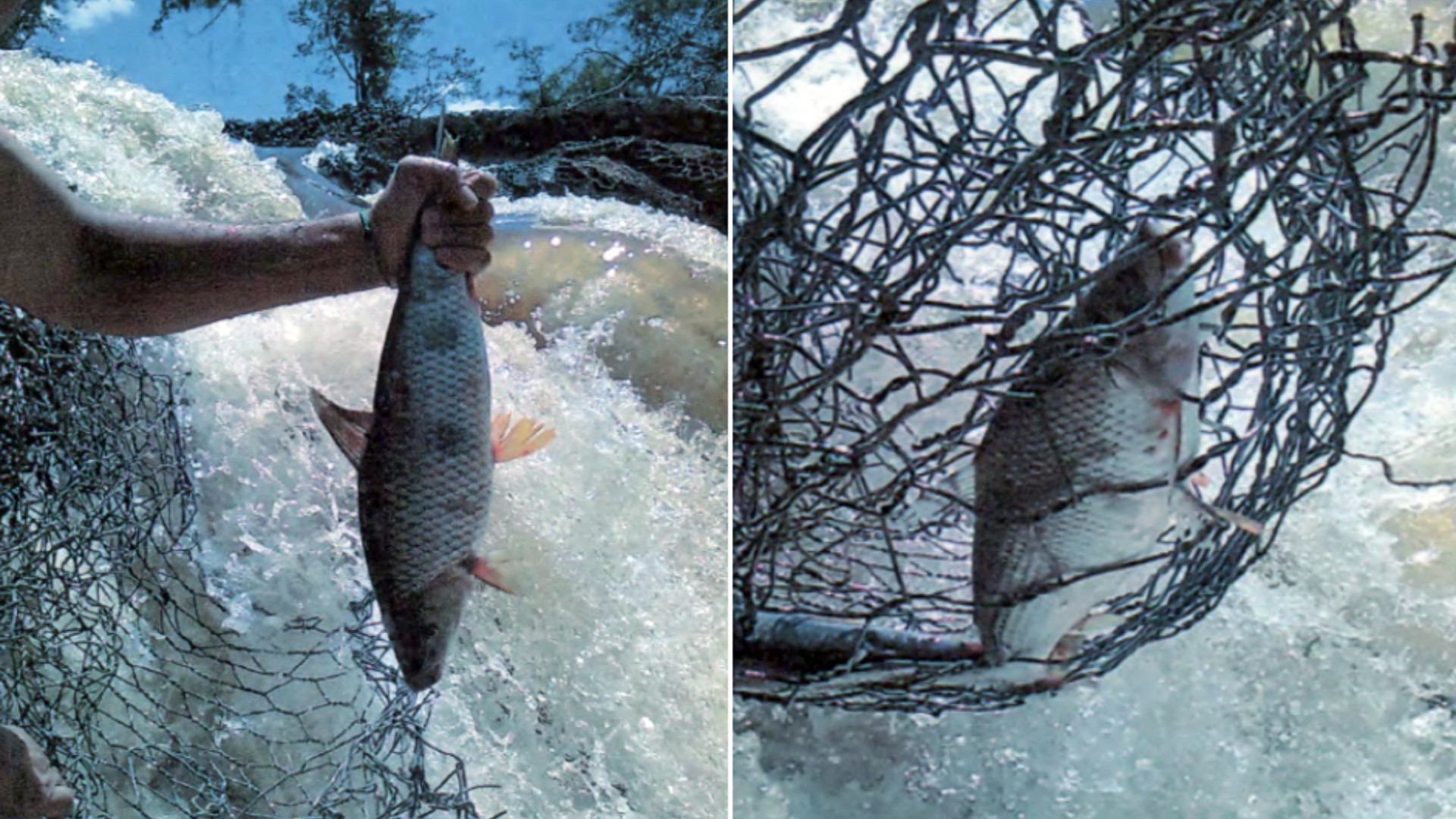
The Minas Gerais Sanitation Company (Copasa) has been ordered by a court to pay R$1 million in collective environmental moral damages. This ruling stems from a 2012 construction project on the Verde River in Campina Verde, Minas Gerais, which negatively impacted local fish populations. The court found that a dam built for water intake, intended for municipal supply, lacked effective mechanisms to allow fish passage during their crucial migration and spawning period, known as piracema. This obstruction led to disruptions in fish reproduction and significant fish mortality events.
The lawsuit was filed by the Public Prosecutor's Office of Minas Gerais (MPMG), which presented technical reports, photographic and video evidence, environmental inspections, and a community petition to support its claims. The court's decision, published on July 16th, emphasized that the dam's ecological impacts extended beyond administrative irregularities, altering the river's dynamics, harming native species, causing foul odors, and raising concerns about water quality and fauna preservation among residents.
In addition to the R$1 million fine, Copasa is mandated to ensure the Verde River's connectivity by implementing a fish passage solution approved by the relevant environmental agency. The company must also submit technical studies, make necessary adaptations, and maintain system monitoring. Failure to comply will result in a daily fine of R$3,000, capped initially at R$1 million, alongside a pre-existing R$200,000 fine for delays in complying with an earlier preliminary injunction. Copasa has stated it does not comment on ongoing legal proceedings.
This judicial decision highlights the critical need for infrastructure projects, particularly those involving water resource management, to integrate robust ecological considerations from the outset. The R$1 million penalty and mandated corrective actions underscore the legal and financial consequences of failing to account for environmental dependencies, such as fish migration patterns during piracema. The case demonstrates a potential systemic challenge where development objectives, like water supply, may inadvertently create ecological barriers. Future planning and regulatory oversight must ensure that technological solutions for species passage are not only implemented but also rigorously validated for effectiveness, preventing similar ecological disruptions and fostering long-term environmental stewardship. This ruling serves as a precedent for prioritizing biodiversity and ecosystem health within development frameworks.
AI-generated to prompt reflection — not editorial opinion, not advice, not a statement of fact. How this works.