Coquimbo Mayor Criticizes Government Over Flood Response
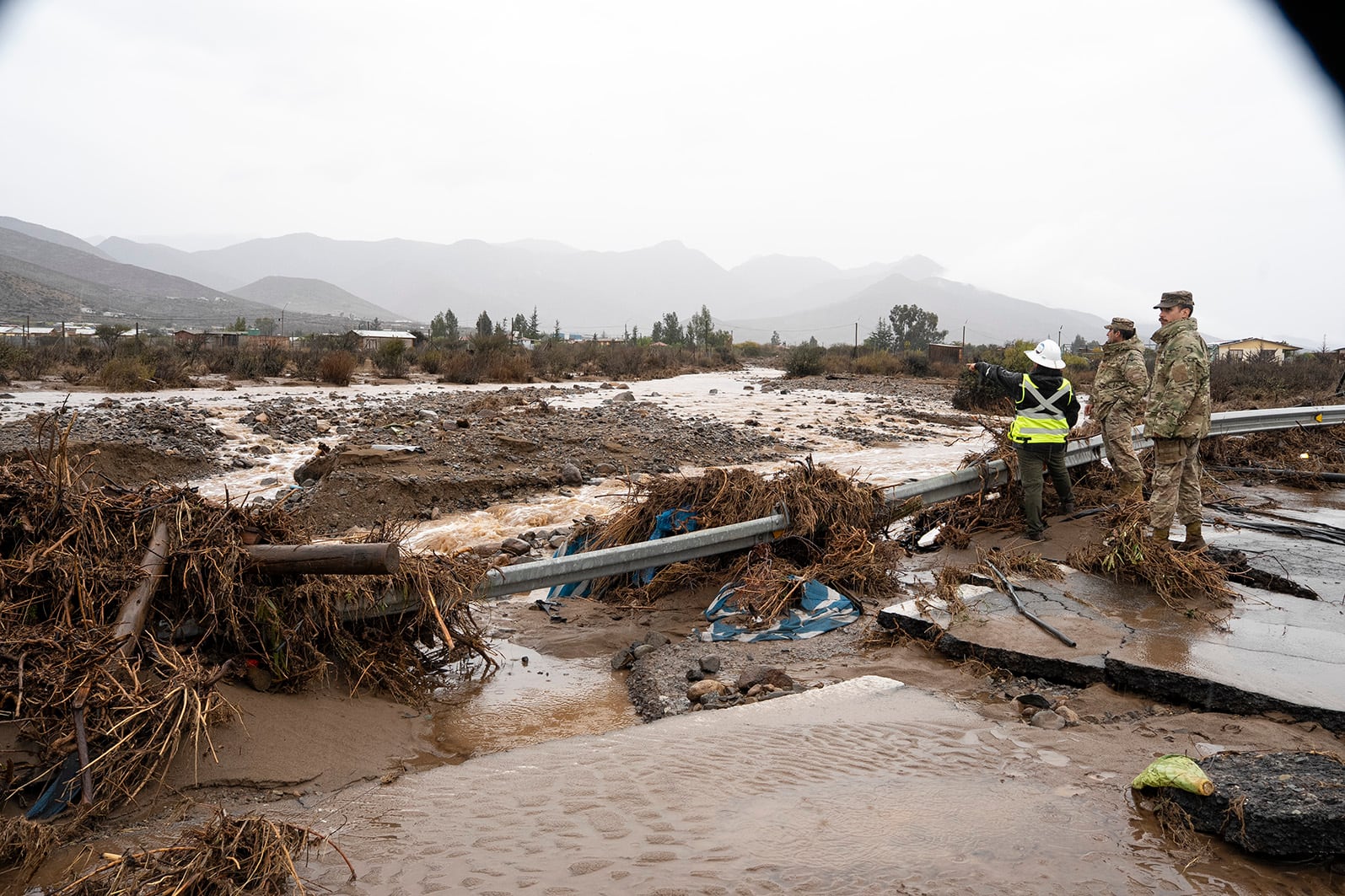
The mayor of Coquimbo has accused the national government of significant "disorganization" and a "lack of leadership" in its handling of the recent frontal system. He stated that the preventive work undertaken was "undoubtedly insufficient." The mayor further elaborated that the local authorities were left to confront the crisis largely on their own, implying a lack of support or coordination from higher levels of government. This situation highlights potential challenges in intergovernmental cooperation during natural disaster responses. The mayor's remarks suggest a need for improved communication and resource allocation between national and local entities to better prepare for and manage extreme weather events.
The mayor's critique points to potential systemic issues in disaster preparedness and response coordination between national and local government bodies. Such events often reveal the complexities of aligning resources, information, and strategic decision-making across different administrative levels. Examining the incentive structures that govern inter-agency collaboration during crises could illuminate pathways for more effective future responses. Understanding how governance frameworks can be adapted to foster greater agility and shared responsibility in the face of escalating climate-related challenges will be crucial for building resilient communities in the coming decade.
AI-generated to prompt reflection — not editorial opinion, not advice, not a statement of fact. How this works.