Cornélio Pires: Brazilian author celebrated for caipira folklore, fought stereotypes
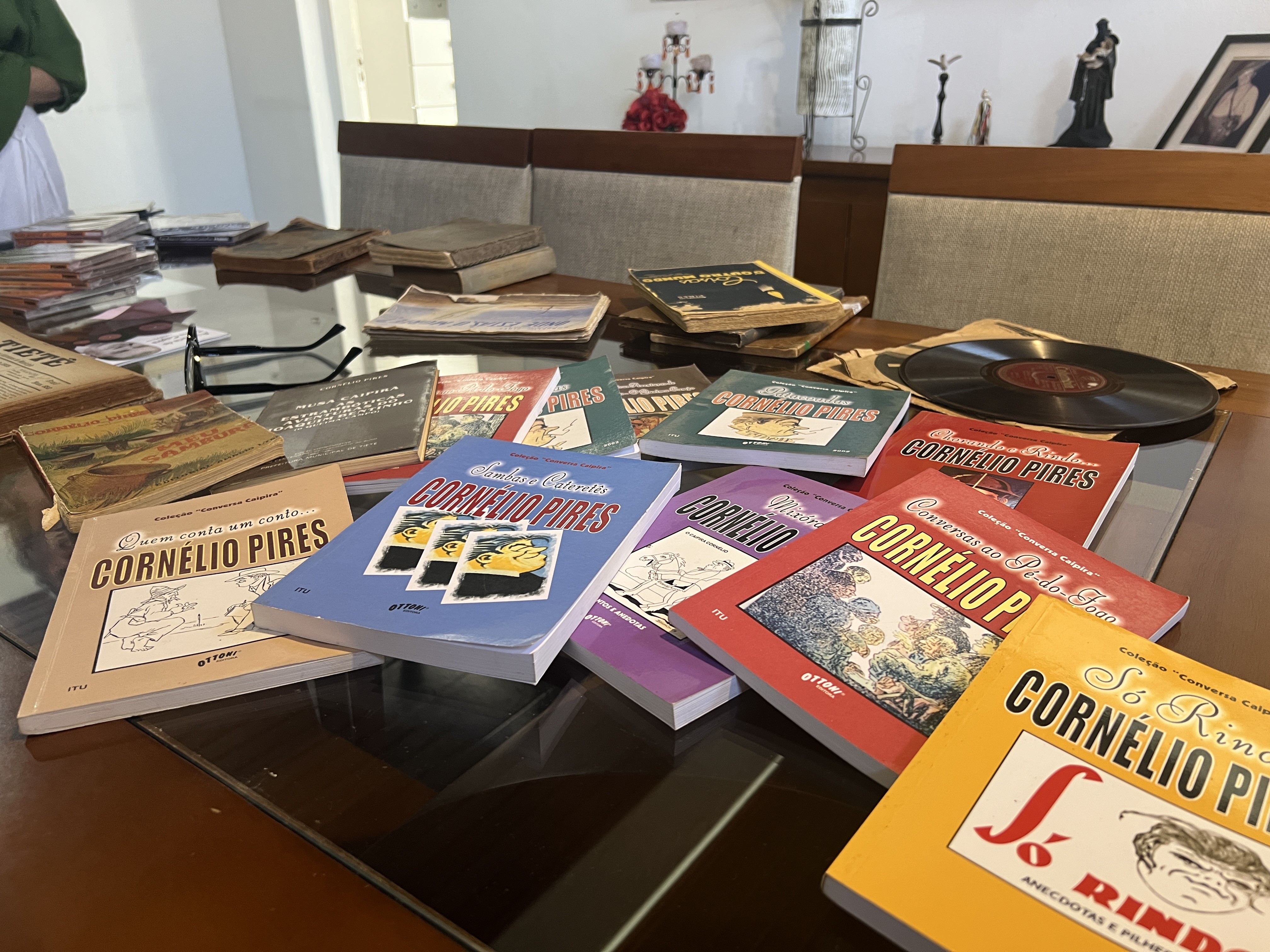
Cornélio Pires, born July 13, 1884, is being honored with a series of reports by g1, highlighting his significant contributions to Brazilian culture, particularly the "caipira" (rural) way of life. Pires began his career in journalism in Tietê, São Paulo, but his artistic talents extended far beyond reporting, leading him to become one of the best-selling authors of the 1920s. He published 24 books, including the caipira literature classic "As Estrambóticas Aventuras de Joaquim Bentinho" (1924), written in a dialectal style that mirrored the speech of characters like Chico Bento in comics. This unique linguistic approach, however, led to his work being considered unconventional by some, with his niece-great-granddaughter recounting how her own mother was discouraged from reading his books due to the perceived "incorrectness" of the language. The dialectal nature of his writing made it challenging for casual readers, though adults could grasp it more easily. Pires's literary contributions have become valuable resources for ethnological and cultural research across Brazil, earning him the moniker "bandeirante do folclore paulista" (pioneer of São Paulo folklore). He was the first to systematically catalog caipira regionalisms, including food, music, religious practices, and speech patterns, documenting the culture of various regions like the Tietê river basin and Vale do Jequitinhonha. His fidelity to popular Brazilian language provided a crucial bridge to understanding the average Brazilian's culture in the 1920s, contrasting with the denser European-influenced literature of the time. Unlike Monteiro Lobato's portrayal of the caipira as passive, Pires depicted them as intelligent, aware, and sensitive, with his character Joaquim Queima-Campo being particularly popular. Despite his cultural impact, Pires faced opposition from intellectual elites and remains unrecognized by the Brazilian Academy of Letters. His innovative approach, incorporating caipira dialect into formal structures, challenged the prevailing literary norms. Pires, who was reportedly not fond of formal schooling but avidly read outside class, was inspired by authors like Mark Twain. Beyond books, he used his almanac "O Sacy," co-created with cartoonist Voltolino, for provocative political commentary and was an early advocate for environmental preservation, speaking out against deforestation and hunting decades ago. Pires, who also embraced Spiritism, died on January 17, 1958, in São Paulo from throat cancer and was buried in Tietê as per his wishes, wearing pajamas and barefoot.
Cornélio Pires's legacy highlights a persistent tension in cultural representation: the validation of vernacular dialects versus the dominance of standardized literary forms. His pioneering use of caipira dialect in literature, while celebrated for its authenticity and accessibility to a broader audience, faced significant resistance from established intellectual circles who favored formal, European-influenced prose. This dynamic reflects a broader historical struggle for cultural inclusivity, where regional identities and linguistic expressions often contend with centralized cultural gatekeepers. Pires's work, by capturing and elevating a specific regional culture, not only served as a vital ethnographic record but also challenged prevailing notions of what constituted legitimate literary subject matter. His enduring influence suggests that authentic cultural expression, even when initially marginalized, can ultimately shape national identity and inspire future generations of creators and scholars. The challenge moving forward lies in fostering an environment where diverse linguistic and cultural expressions are recognized for their intrinsic value, rather than being judged against a singular, often exclusionary, standard.
AI-generated to prompt reflection — not editorial opinion, not advice, not a statement of fact. How this works.