Cornélio Pires: Pioneer of Brazilian 'Caipira' Culture, Journalist, and Artist
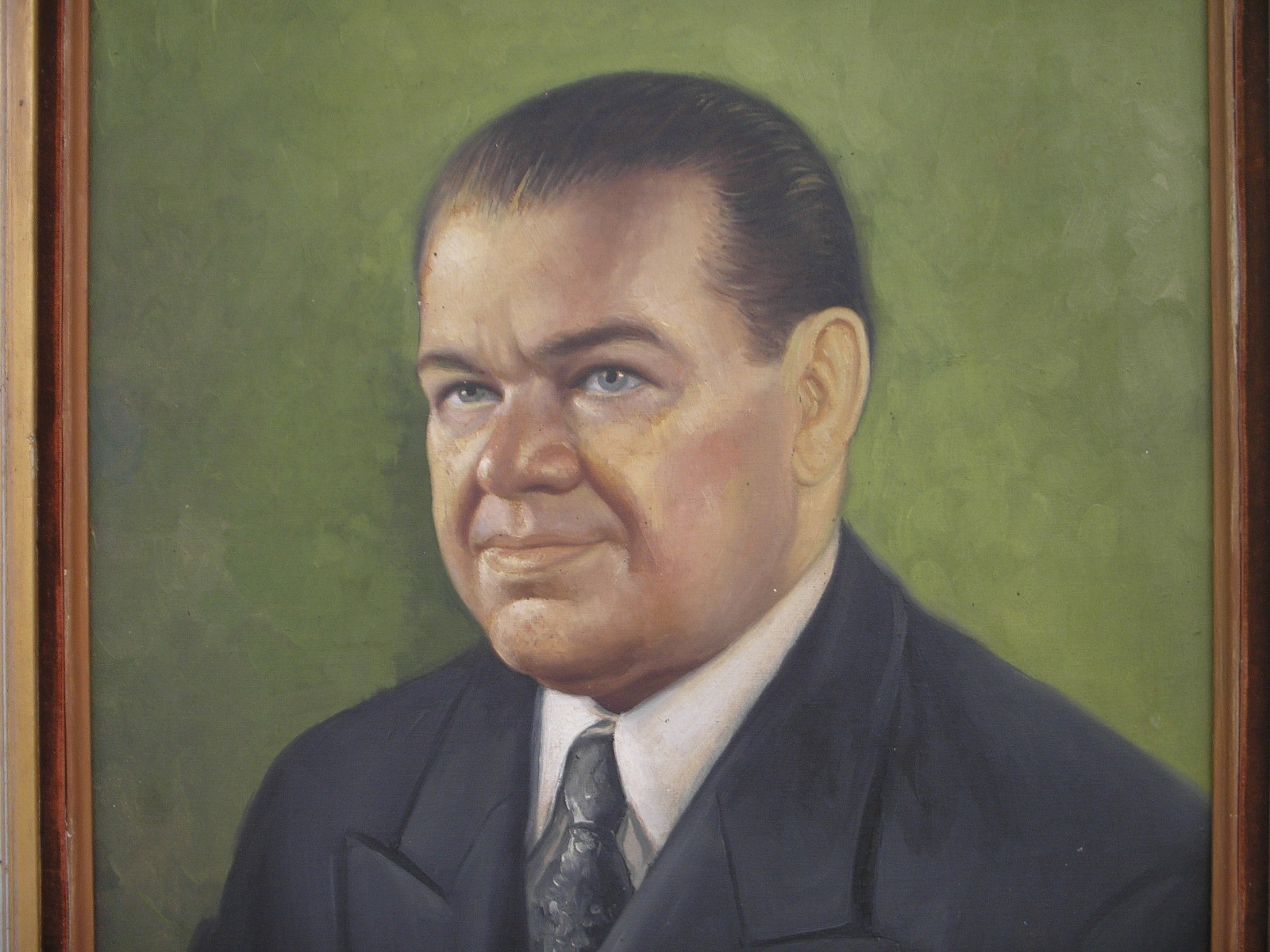
Cornélio Pires, born July 13, 1884, in Tietê, São Paulo, is celebrated 142 years after his birth as a pivotal figure in Brazilian 'caipira' (rural folk) culture. Beyond his fame as a singer and promoter of this music, Pires was also a journalist, writer, researcher, and follower of Spiritism. His career began not in the arts, but as a cleaner at the traditional newspaper 'O Tietê' in his hometown. He gradually progressed in journalism, eventually moving to São Paulo in 1901 to pursue the profession more seriously. A significant moment in his journalistic career was his extensive coverage of the 1904 Vaccine Revolt in Rio de Janeiro, where he secured exclusive interviews by waiting at train stations for fleeing families, earning him widespread recognition. Pires worked for several newspapers, including 'Correio Paulista' and 'Tribuna de Santos,' using his platform for commentary on political repression, environmental preservation, and advocating against the 'Americanization' of culture. He was notably critical of Getúlio Vargas's dictatorship, even referencing it in his music. Despite his profound influence on Brazilian culture, inspiring writers like Monteiro Lobato, Pires was never formally recognized by the Brazilian Academy of Letters. He also founded the Casa dos Meninos, a shelter for vulnerable youth, which remains operational since 1957. Cornélio Pires passed away from throat cancer on January 17, 1958, in São Paulo, and was buried in Tietê as per his request, barefoot and in pajamas, symbolizing his charitable nature and donation of possessions. His legacy continues to be a reference for researchers and admirers of Brazilian caipira culture.
Cornélio Pires's multifaceted career highlights the complex interplay between cultural preservation, journalistic integrity, and societal influence in early 20th-century Brazil. His journey from humble beginnings in a local newspaper to becoming a national cultural icon underscores the power of persistent advocacy and diverse media engagement. Pires's willingness to use his journalistic platform for political critique and social commentary, particularly against authoritarianism and for environmental causes, demonstrates an early form of public intellectualism. His lack of formal academic recognition despite significant cultural impact raises questions about established institutions' biases and their criteria for validating contributions, especially those originating from non-elite backgrounds or focusing on popular culture. This situation prompts reflection on how societies historically value and recognize diverse forms of cultural expression and intellectual output, particularly in the context of evolving national identity and the rise of mass media.
AI-generated to prompt reflection — not editorial opinion, not advice, not a statement of fact. How this works.