Cornélio Pires: Pioneer of Brazilian Country Music and Cultural Preservation
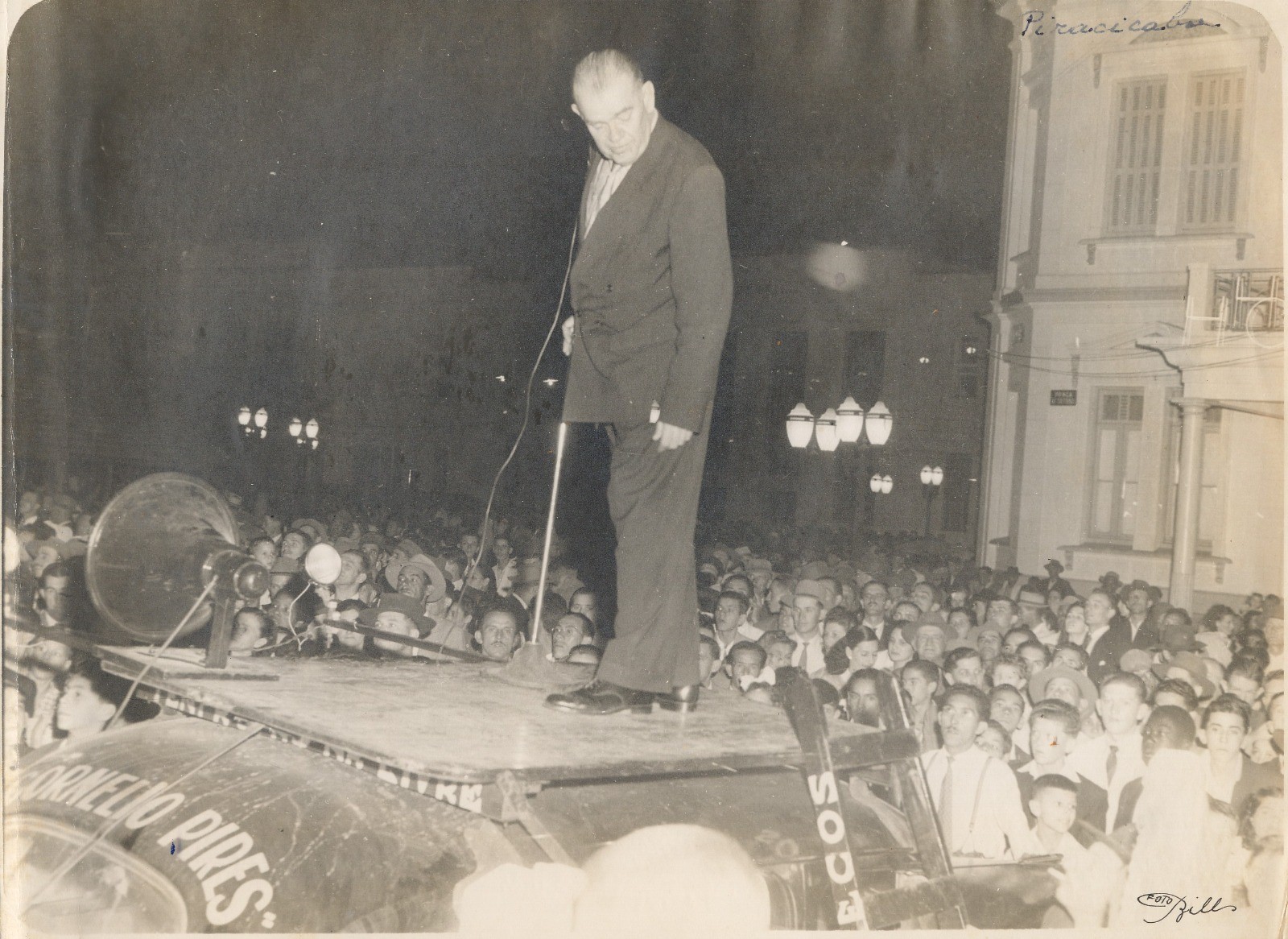
Cornélio Pires, born July 13, 1884, in Tietê, São Paulo, was a multifaceted artist who significantly influenced Brazilian culture. Beyond his work as a journalist and writer, Pires is recognized as the first to record 'música caipira' (country music) on vinyl in Brazil. His artistic endeavors were deeply rooted in his family, with historical ties to renowned painter Tarsila do Amaral. Pires traveled extensively throughout the interior of São Paulo, including cities like Sorocaba, Itapetininga, and Botucatu, bringing his performances to various communities. For approximately 15 years, he toured extensively, promoting caipira culture before transitioning his focus to vinyl recordings in the late 1920s. His shows and recordings featured a diverse range of content, including jokes and imitations, showcasing his versatility. Pires also played a crucial role in adapting the lengthy 'moda de viola' folk songs into three-minute recordings suitable for vinyl, demonstrating his innovative production skills. He actively championed national music, recording caipira songs to counter the prevalence of foreign music, particularly Argentine tangos, on the radio. His efforts helped transform caipira music into a recognized cultural heritage. Pires also founded the Casa dos Meninos in 1957, an organization that continues to support vulnerable youth and operates as a restorative justice initiative. He passed away on January 17, 1958, in São Paulo from throat cancer and was buried in Tietê as per his request, barefoot and in pajamas, having donated his belongings.
Cornélio Pires's legacy highlights the complex interplay between cultural preservation, artistic innovation, and commercial viability in early 20th-century Brazil. His efforts to record and popularize 'música caipira' can be viewed as a strategic response to the dominance of foreign musical influences, demonstrating an early form of cultural nationalism. Pires's ability to adapt traditional folk music for the nascent recording industry reveals a sophisticated understanding of market dynamics and audience engagement, foreshadowing modern music production and distribution models. The eventual rediscovery and digitization of his work by institutions like the Instituto Cornélio Pires underscore the challenges of preserving cultural heritage amidst rapid societal and technological change, and the critical role of dedicated individuals and organizations in ensuring its accessibility for future generations. His philanthropic work with Casa dos Meninos further illustrates a commitment to social upliftment, integrating cultural advocacy with community support.
AI-generated to prompt reflection — not editorial opinion, not advice, not a statement of fact. How this works.