Corruption Allegations Surface in "Cuadernos" Case
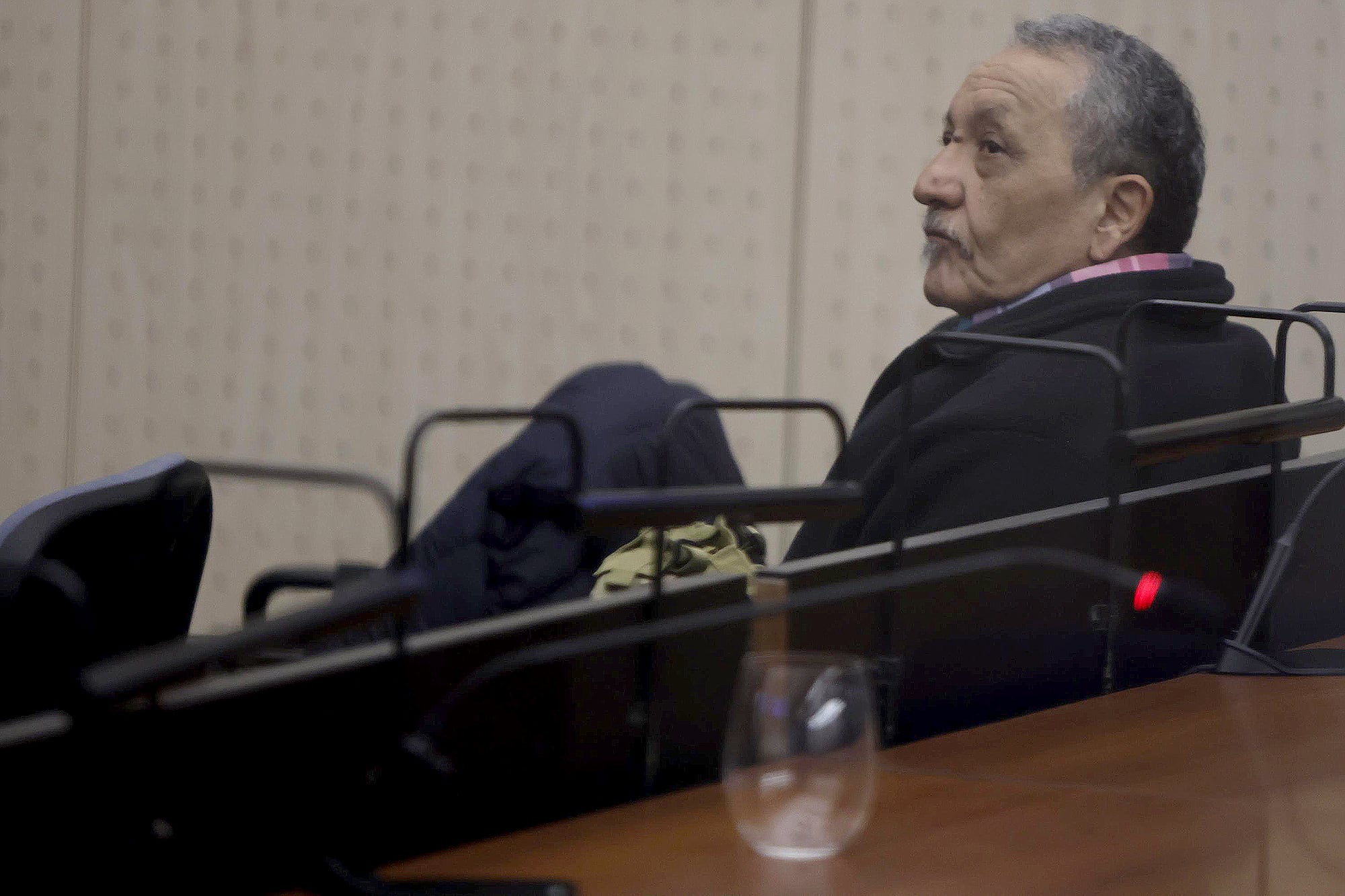
Testimonies from former AFIP officials, who claim to have been persecuted by the Kirchnerist administration, have brought to light alleged corruption within the "Cuadernos" case. These former officials have spoken out about what they describe as a scandalous perversion of justice and institutional processes. Their statements aim to expose the extent of the alleged wrongdoing that has been uncovered. The "Cuadernos" case, a significant investigation in Argentina, involves a series of notebooks that reportedly detail illicit payments and corrupt dealings. The testimonies suggest a pattern of abuse of power and obstruction of justice by individuals associated with the previous government. The revelations are expected to have further implications for the ongoing investigation and potentially lead to new legal proceedings. The former officials' accounts are intended to provide a clearer picture of the alleged corruption and its impact on public institutions. This development underscores the continuing scrutiny of past administrations and the legal ramifications of alleged corrupt practices.
The "Cuadernos" case, as brought to light by former AFIP officials, presents a critical juncture for Argentina's institutional integrity. The testimonies, alleging persecution and corruption, highlight the complex interplay between political power and judicial processes. Examining these claims requires a focus on due process and the rule of law, ensuring that all allegations are rigorously investigated without political interference. The long-term implications involve strengthening governance frameworks to prevent the politicization of state institutions and ensure accountability for all actors, regardless of their political affiliation. This situation underscores the ongoing challenge of maintaining transparency and combating corruption within public administrations, particularly in the context of evolving political landscapes and the increasing demand for ethical governance in the digital age.
AI-generated to prompt reflection — not editorial opinion, not advice, not a statement of fact. How this works.