Corruption and Democracy: A City Where No One Heeds Red Lights
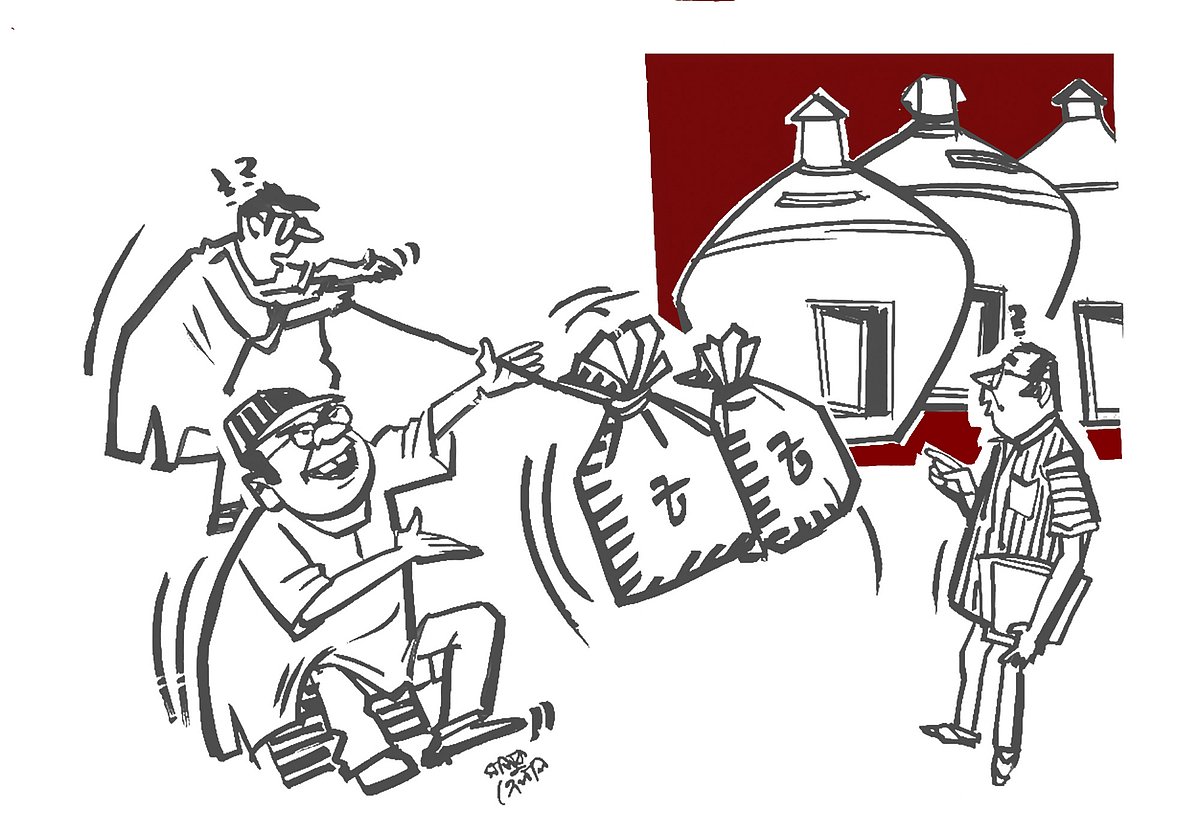
The article discusses corruption, moving beyond viewing it solely as a moral failing of individuals. It argues that while greed in politicians, dishonesty in civil servants, profiteering by businesses, and apathy among citizens contain elements of truth, they describe the actors rather than the systemic environment in which these actions occur. The author suggests that corruption is not just about individual ethical lapses but is deeply embedded within the structures and dynamics of a society, particularly in relation to its democratic processes. The piece implies that understanding the 'stage' – the societal and political context – is crucial for comprehending the prevalence and persistence of corrupt practices. It challenges the common perception by proposing that the focus should shift from individual blame to examining the broader systems that enable or encourage such behavior. The core idea is that the environment, rather than just the people within it, plays a significant role in perpetuating corruption.
This perspective reframes corruption from a purely moral issue to one deeply intertwined with systemic governance and societal norms. By highlighting the 'stage' over the 'actors,' it suggests that institutional design, transparency mechanisms, and accountability frameworks may be more critical levers for change than focusing solely on individual ethical conduct. The analogy of 'red lights' implies a breakdown in adherence to established rules, potentially indicating a need to re-evaluate the effectiveness and enforcement of regulations within the democratic framework. Future considerations might involve exploring how technological advancements and evolving civic engagement models could reshape these systemic dynamics and foster greater adherence to public trust.
AI-generated to prompt reflection — not editorial opinion, not advice, not a statement of fact. How this works.