Cosmópolis Rodeo Canceled Hours Before Opening Due to Documentation Issues
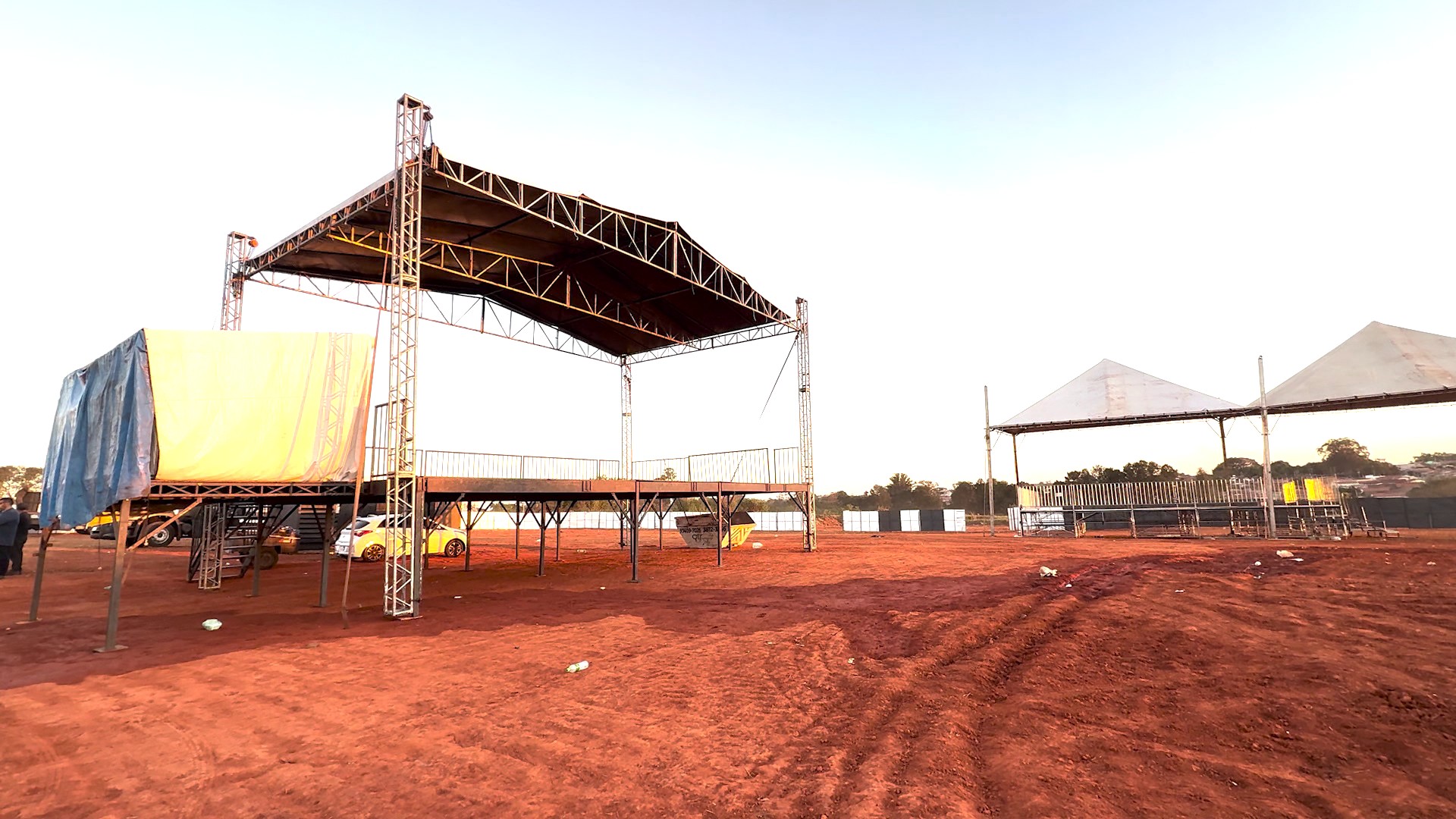
The Cosmópolis Rodeo in São Paulo, Brazil, was suspended by judicial order on Thursday, July 16th, just hours before its scheduled opening. The suspension, intended to run until Sunday, July 19th, was due to a lack of essential documentation. The organizing committee had also requested that the legal proceedings be kept confidential, but this request was denied by Judge Mayara Maria Oliveira Resende of the 2nd Judicial Court of Cosmópolis. The judge cited the event's significant public impact and the need for transparency in matters of public safety as reasons for rejecting the secrecy request. This would have been the first rodeo in the city in nearly 30 years, featuring artists like Ralf and Maria Cecília & Rodolfo. The primary reasons for the judicial denial were the absence of a definitive Fire Department Inspection Certificate (AVCB) and authorization from the Agricultural Defense Coordination. The judge noted that the lack of these documents posed an imminent risk to public safety, including the structural integrity of stands and arenas, and animal welfare. Organizers cited delays in structural assembly due to adverse weather conditions as their reason for not meeting the documentation deadlines. In response, the rodeo organizers stated they would respect the court's decision and would soon announce procedures for ticket refunds, apologizing for any inconvenience. The Cosmópolis City Hall clarified that it had no role in organizing the event, emphasizing that the organizers failed to meet legal and administrative requirements and deadlines, including significant delays in infrastructure setup, making the event's realization impossible.
The abrupt cancellation of the Cosmópolis Rodeo, stemming from a failure to secure critical safety and operational permits, highlights a recurring challenge in large-scale public events. The judicial decision underscores the primacy of public safety and transparency over organizational convenience or commercial interests, especially when dealing with events of significant public impact. The organizers' request for process secrecy, juxtaposed with the event's public nature and potential risks, suggests a potential disconnect between their operational preparedness and regulatory compliance. Moving forward, robust pre-event due diligence and adherence to established safety protocols, including timely acquisition of all necessary permits, will be crucial for similar events to avoid disruption and ensure public trust. This situation also prompts reflection on the effectiveness of communication and coordination between event organizers, regulatory bodies, and the judiciary to prevent last-minute cancellations and associated public inconvenience.
AI-generated to prompt reflection — not editorial opinion, not advice, not a statement of fact. How this works.