Cosmópolis Rodeo Suspended Hours Before Opening by Court Order
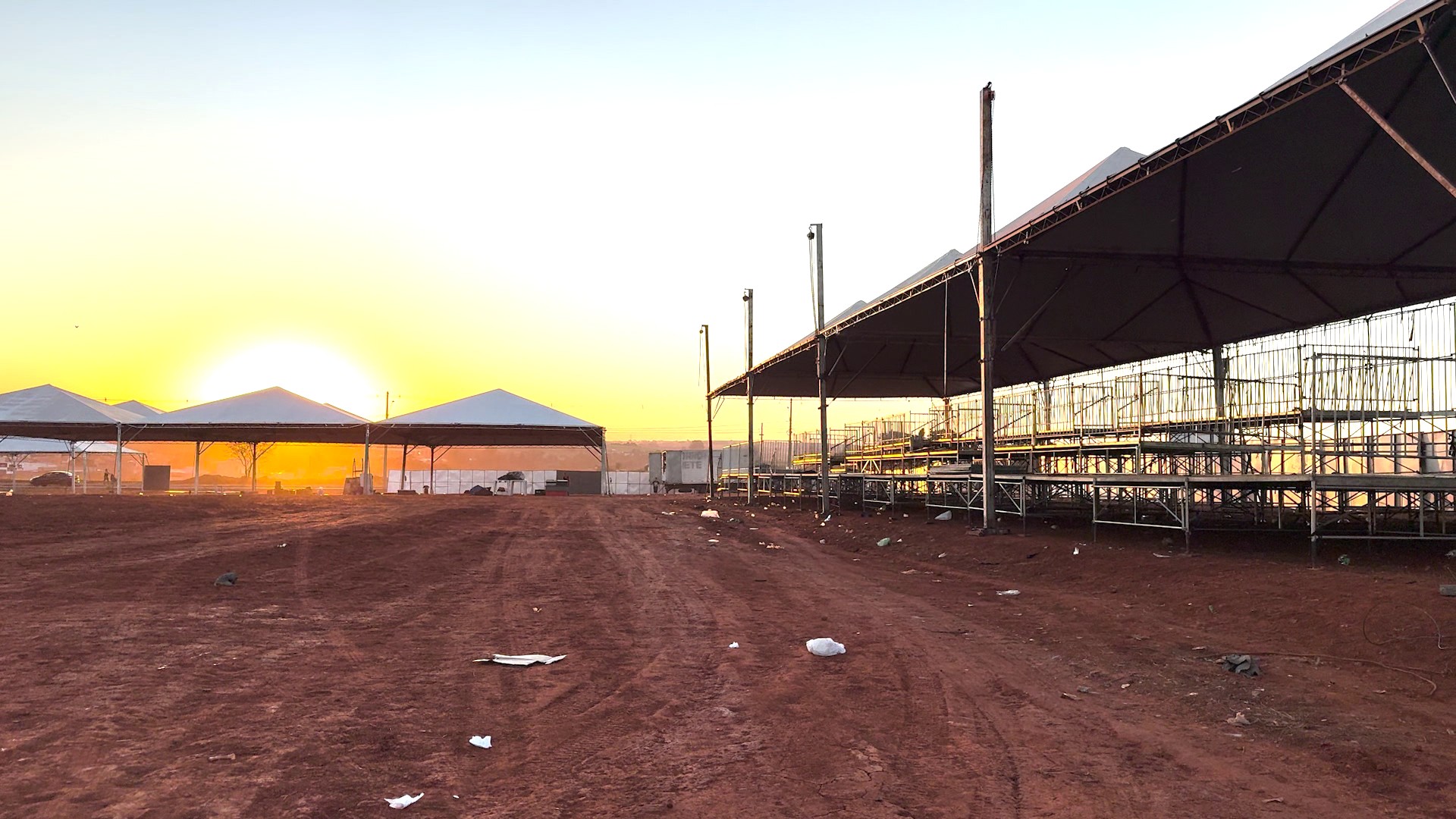
A judicial decision has halted the Festa do Peão de Cosmópolis, a rodeo event in São Paulo state, Brazil, just hours before its scheduled opening on Thursday, November 16th. The event was slated to run until Sunday, November 19th. Judge Mayara Maria Oliveira Resende cited the absence of a definitive Fire Department inspection certificate (AVCB) and technical authorization from the Agricultural Defense Coordination as reasons for denying the event's permit. The organizer declined to comment, while the municipality stated it had no role in the event's organization but confirmed the organizers failed to meet established requirements and deadlines. The judge's ruling highlighted that proceeding without these documents posed a significant risk to public safety, including attendees and animals, and could lead to a collective tragedy. This would have been the first edition of the festival in nearly 30 years, featuring artists like Ralf and Maria Cecília & Rodolfo. Information regarding ticket refunds has not yet been released by the organizers. The municipality further clarified that the event was planned for private property and its authorization was contingent upon fulfilling legal and administrative demands, which the organizers did not adequately address, including significant delays in infrastructure setup.
The judicial suspension of the Festa do Peão de Cosmópolis underscores the critical intersection of public safety regulations, administrative compliance, and event management. The court's emphasis on the definitive Fire Department certificate and agricultural authorization points to systemic vulnerabilities in pre-event vetting processes, particularly for events with potential public safety and animal welfare implications. This situation highlights a recurring challenge where organizers may underestimate or delay critical compliance steps, potentially driven by cost-saving pressures or optimistic scheduling assumptions. Moving forward, a more robust framework for verifying compliance before permit issuance, potentially involving real-time digital tracking of required documentation and staggered inspections, could mitigate such last-minute disruptions. This incident also prompts consideration of the incentives for organizers to prioritize regulatory adherence, perhaps through tiered permit fees or penalties that reflect the risk associated with incomplete compliance, thereby fostering a culture of proactive safety and administrative diligence.
AI-generated to prompt reflection — not editorial opinion, not advice, not a statement of fact. How this works.