Cost and Infrastructure Gaps Remain Top Barriers to Electric Vehicle Adoption in Afghanistan
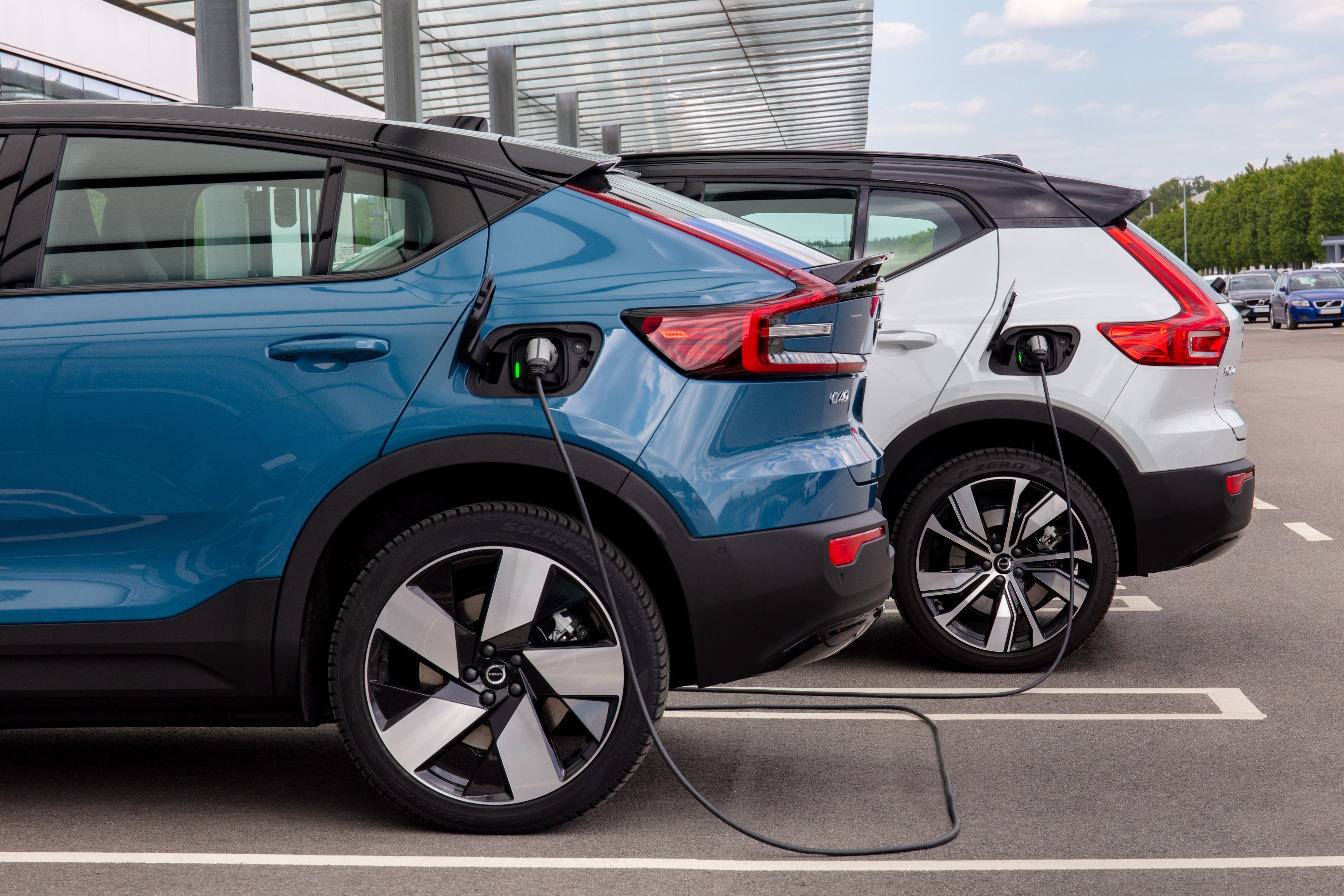
Afghanistan's first National Electromobility Radar indicates that while operational savings are the primary driver for adopting electric and hybrid vehicles, initial purchase cost and charging infrastructure continue to be the most significant obstacles. The study highlights that consumers are motivated by the long-term financial benefits of EVs. However, the upfront expense of these vehicles presents a substantial hurdle for many potential buyers. Furthermore, the lack of widespread and reliable charging stations across the country deters adoption. The research also identified significant information gaps regarding the practical aspects of owning and operating electric vehicles. Consumers are reportedly uncertain about the technology, its day-to-day functioning, and the future resale value of these vehicles. Addressing these cost, infrastructure, and knowledge deficits is crucial for accelerating the transition to electromobility in Afghanistan.
The findings from Afghanistan's National Electromobility Radar underscore a common challenge in emerging markets: the tension between long-term economic incentives and immediate financial and infrastructural realities. While the appeal of reduced operational costs is a powerful motivator, the high initial capital outlay for electric vehicles, coupled with underdeveloped charging networks, creates a significant adoption barrier. This situation suggests that policy interventions focusing on subsidies for vehicle purchase, investment in public charging infrastructure, and robust public awareness campaigns about EV technology and resale value could be critical. Without addressing these foundational issues, the potential for electromobility to contribute to Afghanistan's energy independence and environmental goals may remain unrealized in the near to medium term.
AI-generated to prompt reflection — not editorial opinion, not advice, not a statement of fact. How this works.