Costa Rica's Former Vice President Leads UN Secretary-General Race as Security Council Votes
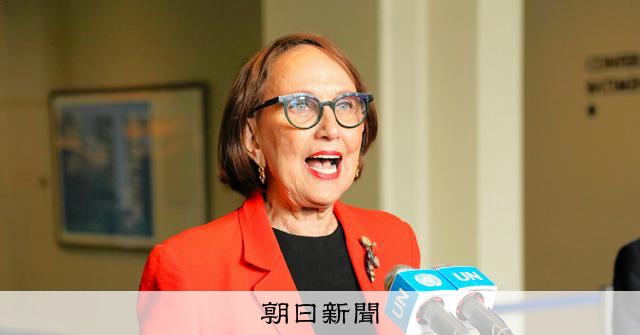
The race for the next United Nations Secretary-General has seen Costa Rica's former Vice President emerge as the frontrunner. For the first time in the organization's history, the UN Security Council conducted a formal vote to determine the preferred candidate. This marks a significant procedural shift in the selection process for the UN's top leadership position. The former Vice President of Costa Rica, whose name has not been disclosed in this report, has reportedly garnered the most support among the Security Council members. The voting process involved secret ballots, allowing each of the 15 Security Council members to cast their vote. The outcome of this vote is expected to heavily influence the final decision on who will succeed the current Secretary-General. Further rounds of voting may be conducted if a clear consensus is not reached. The Security Council's decision will then be presented to the UN General Assembly for final approval. This new voting mechanism aims to bring more transparency and democratic principles to the selection of the Secretary-General.
The Security Council's introduction of a formal voting procedure for the UN Secretary-General selection process represents a notable evolution in global governance. This shift may enhance the perceived legitimacy of the chosen candidate by incorporating a more structured, albeit still politically sensitive, decision-making framework. While aiming for greater transparency, the inherent power dynamics within the Security Council, particularly the veto power held by its permanent members, will continue to shape the outcome. Future Secretaries-General will need to navigate these established geopolitical currents, balancing the expectations of the broader UN membership with the strategic interests of the Security Council's most influential states. This process underscores the ongoing tension between universal representation and the realities of international power structures in global leadership selection.
AI-generated to prompt reflection — not editorial opinion, not advice, not a statement of fact. How this works.