Costa Rican Electricity Reform: Does It Privatize ICE or Open Generation?
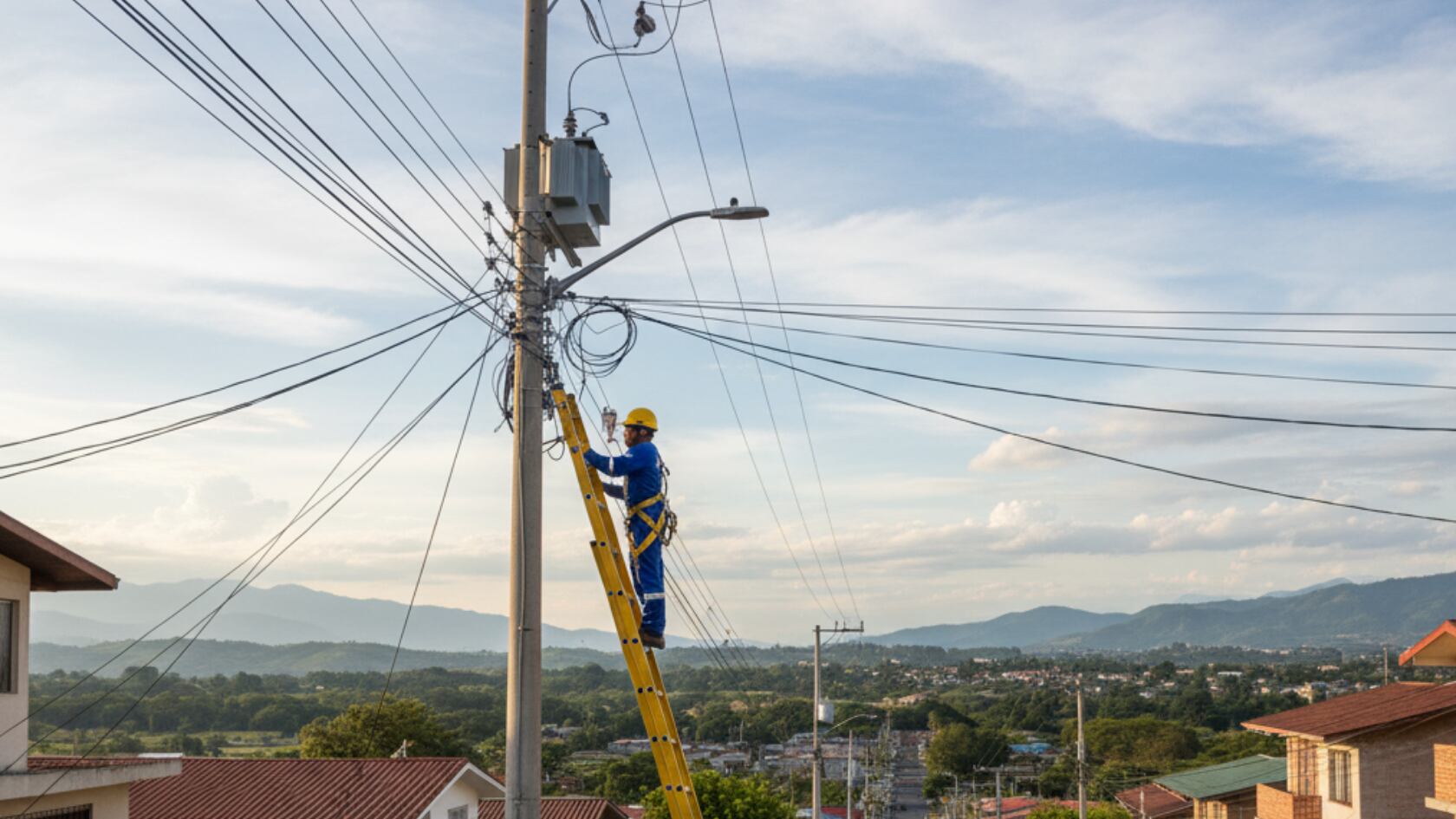
A proposed bill in Costa Rica, the Law Project for the Harmonization of the National Electric System, aims to increase private sector participation in electricity generation. However, the legislation explicitly states that it does not involve the privatization of transmission, distribution, or the public oversight of the national electricity system. This distinction is crucial as it seeks to balance opening the market with maintaining state control over essential infrastructure and regulatory functions. The reform intends to allow more entities to generate electricity, potentially leading to increased competition and efficiency within the sector. The project's proponents argue that this approach will modernize the system and attract investment without compromising national sovereignty over energy resources. Critics, however, remain concerned about the potential long-term implications of increased private involvement in a sector traditionally managed by the state-owned Costa Rican Electricity Institute (ICE). The debate centers on whether the proposed changes strike the right balance between liberalization and public interest.
This proposed legislation navigates the complex terrain of energy sector reform, seeking to balance the introduction of private capital into electricity generation with the preservation of state control over transmission, distribution, and overall system governance. The core tension lies in managing the incentive structures for private generators versus ensuring equitable access and stable pricing for consumers, all within the framework of national energy policy. As Costa Rica considers this path, it faces the systemic challenge of integrating new market participants without undermining the public service mandate of its state-owned utility, ICE. The long-term success will hinge on robust regulatory oversight and transparent market mechanisms that prevent monopolistic tendencies and ensure alignment with national development goals, particularly in the context of evolving energy technologies and climate change imperatives over the next decade.
AI-generated to prompt reflection — not editorial opinion, not advice, not a statement of fact. How this works.