Costa Rican President and Judiciary Clash Over Drug Violence Response
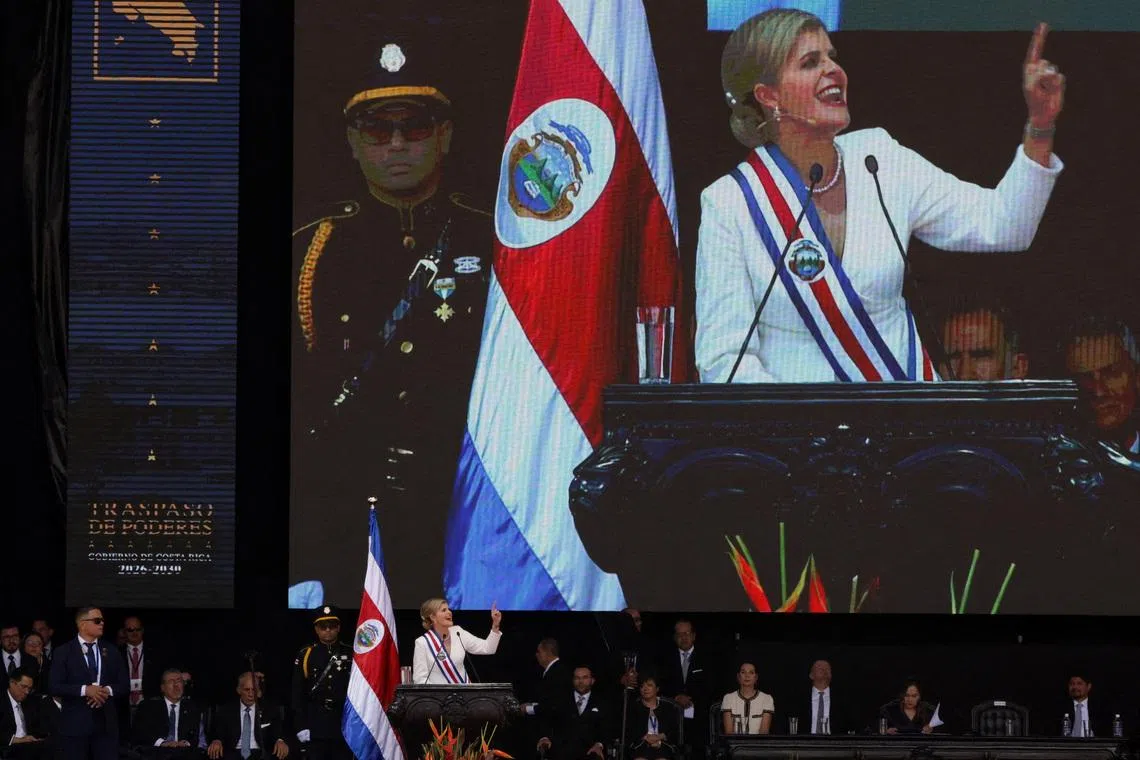
A significant conflict has emerged between Costa Rica's new President Laura Fernandez and the nation's judiciary, hindering a unified governmental strategy to combat escalating drug-related violence. This dispute is occurring in a Central American country that was once known for its peace. The standoff is directly impacting the government's ability to implement effective measures against organized crime. President Fernandez's administration is reportedly seeking to implement new policies aimed at curbing the rise in crime. However, the judiciary has raised objections, creating a stalemate. This situation is particularly concerning given the recent increase in violent incidents linked to drug trafficking. The once-peaceful nation is now facing unprecedented challenges to its public safety. The outcome of this clash is crucial for determining the future effectiveness of Costa Rica's security apparatus.
The divergence between the executive and judicial branches in Costa Rica over addressing drug violence highlights a common governance challenge. Such institutional friction can impede the swift and decisive action necessary to combat organized crime, potentially creating opportunities for criminal elements to exploit. The situation underscores the importance of inter-branch cooperation and clear legal frameworks for security operations. Looking ahead, the resolution of this dispute will likely shape the balance of power between these branches and influence the long-term effectiveness of Costa Rica's approach to public safety in an era increasingly defined by transnational criminal networks and evolving security threats.
AI-generated to prompt reflection — not editorial opinion, not advice, not a statement of fact. How this works.