Costa Rican Social Security Fund Reports Significant Drug Control Deficiencies
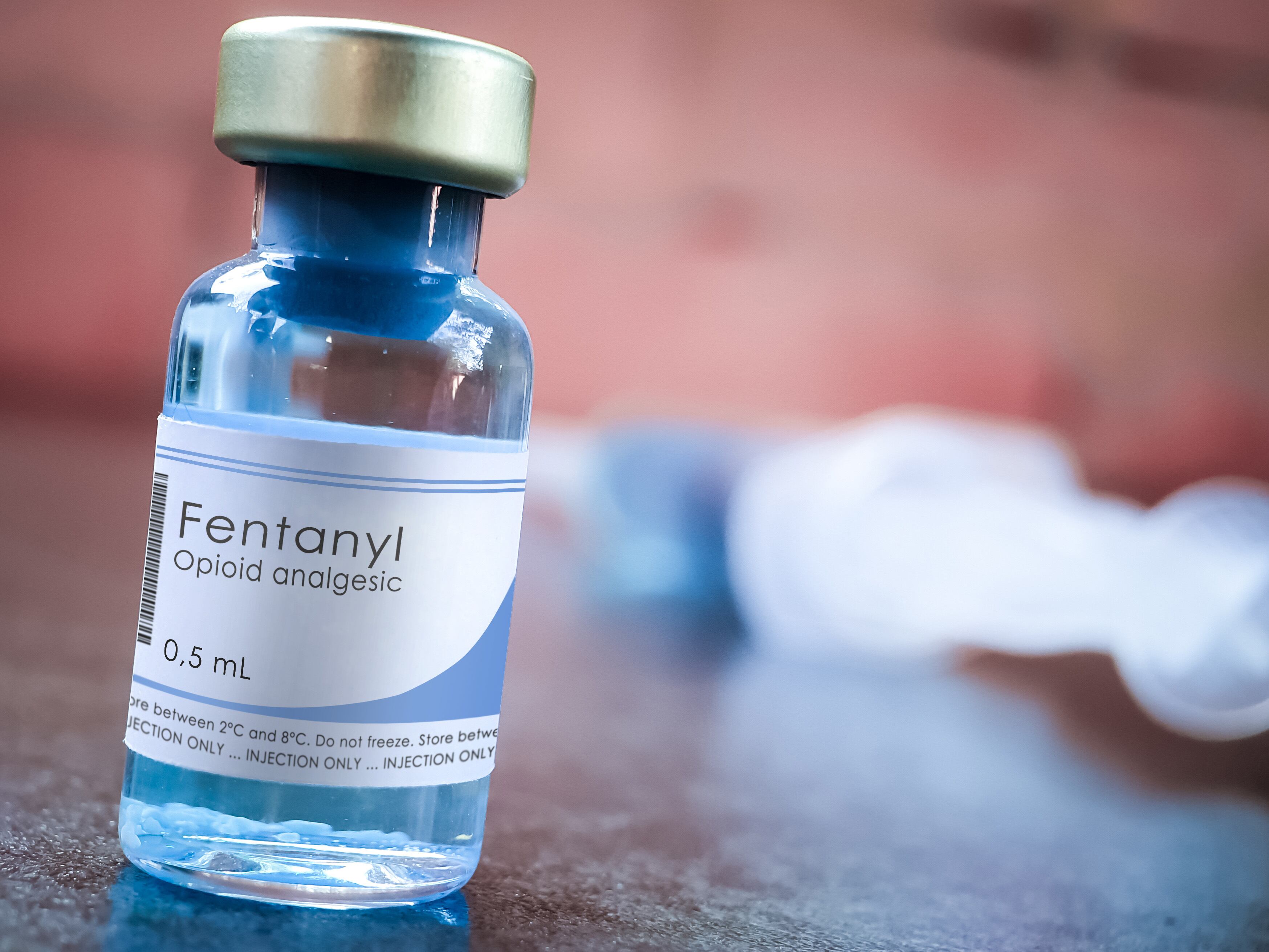
Internal Audit has revealed critical weaknesses in the control and traceability of controlled medications, including fentanyl, morphine, and ketamine, within the Costa Rican Social Security Fund (CCSS). The audit, presented to the Medical Management, highlighted deficiencies across various stages of medication management. These include issues with prescription, dispensing, administration, return, and custody of these potent drugs. The report indicates a general insufficiency in the controls designed to prevent loss, theft, and robbery of these substances. This situation raises concerns about the potential diversion of these medications and the overall integrity of the CCSS's pharmaceutical supply chain. The findings underscore the urgent need for the CCSS to implement more robust tracking systems and stricter protocols to safeguard controlled substances. Further investigation into the specific instances of loss, theft, or robbery may be warranted to understand the full scope of the problem.
The CCSS's internal audit highlights systemic vulnerabilities in the management of controlled substances, potentially stemming from outdated or inadequate inventory control systems. The identified gaps in traceability and record-keeping across the medication lifecycle—from prescription to custody—create opportunities for diversion and loss. This situation poses risks not only to patient safety through potential drug shortages or improper administration but also to public health by enabling illicit access to potent opioids and anesthetics. Addressing these control deficiencies is crucial for maintaining public trust and ensuring the responsible stewardship of essential, yet high-risk, pharmaceuticals. The CCSS must prioritize technological upgrades and procedural reforms to enhance accountability and prevent future irregularities, aligning its practices with emerging standards for pharmaceutical security in an increasingly complex healthcare landscape.
AI-generated to prompt reflection — not editorial opinion, not advice, not a statement of fact. How this works.