Costs for Asylum Seekers in Northern Germany Significantly Decreased
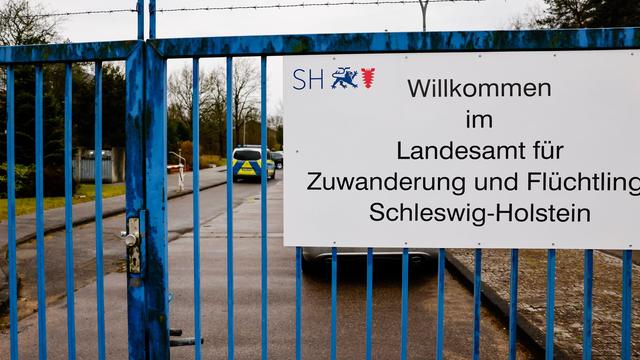
The financial burden associated with asylum seekers in northern Germany has seen a notable reduction. This decline in costs is a significant development for the region's social and administrative services. The specifics of the reduction, including the exact percentage or monetary value, are not detailed in the provided headline and body. However, the trend indicates a positive fiscal shift concerning the integration and support of individuals seeking asylum. This development may influence future budgetary allocations and resource planning for refugee support programs in the northern German states. Further details would be required to understand the drivers behind this cost decrease, such as changes in the number of applicants, the duration of stay, or shifts in accommodation and support policies. The headline suggests a positive economic outcome for the region, potentially freeing up resources for other public services or investments.
The reported decrease in costs for asylum seekers in northern Germany warrants a closer examination of the underlying factors. Potential drivers could include a reduction in new arrivals, a faster processing of asylum claims leading to quicker integration or return, or efficiencies gained in the provision of housing and support services. From a systemic perspective, understanding these dynamics is crucial for sustainable refugee management policies. Policymakers should analyze whether this cost reduction reflects improved integration outcomes or simply a decrease in demand, and how these trends align with long-term societal and economic goals. Future policy considerations might focus on leveraging any cost savings to enhance integration programs, thereby maximizing the positive contributions of refugees to the German economy and society over the next decade.
AI-generated to prompt reflection — not editorial opinion, not advice, not a statement of fact. How this works.