Could Blocking Sunlight Limit El Niño's Impact?
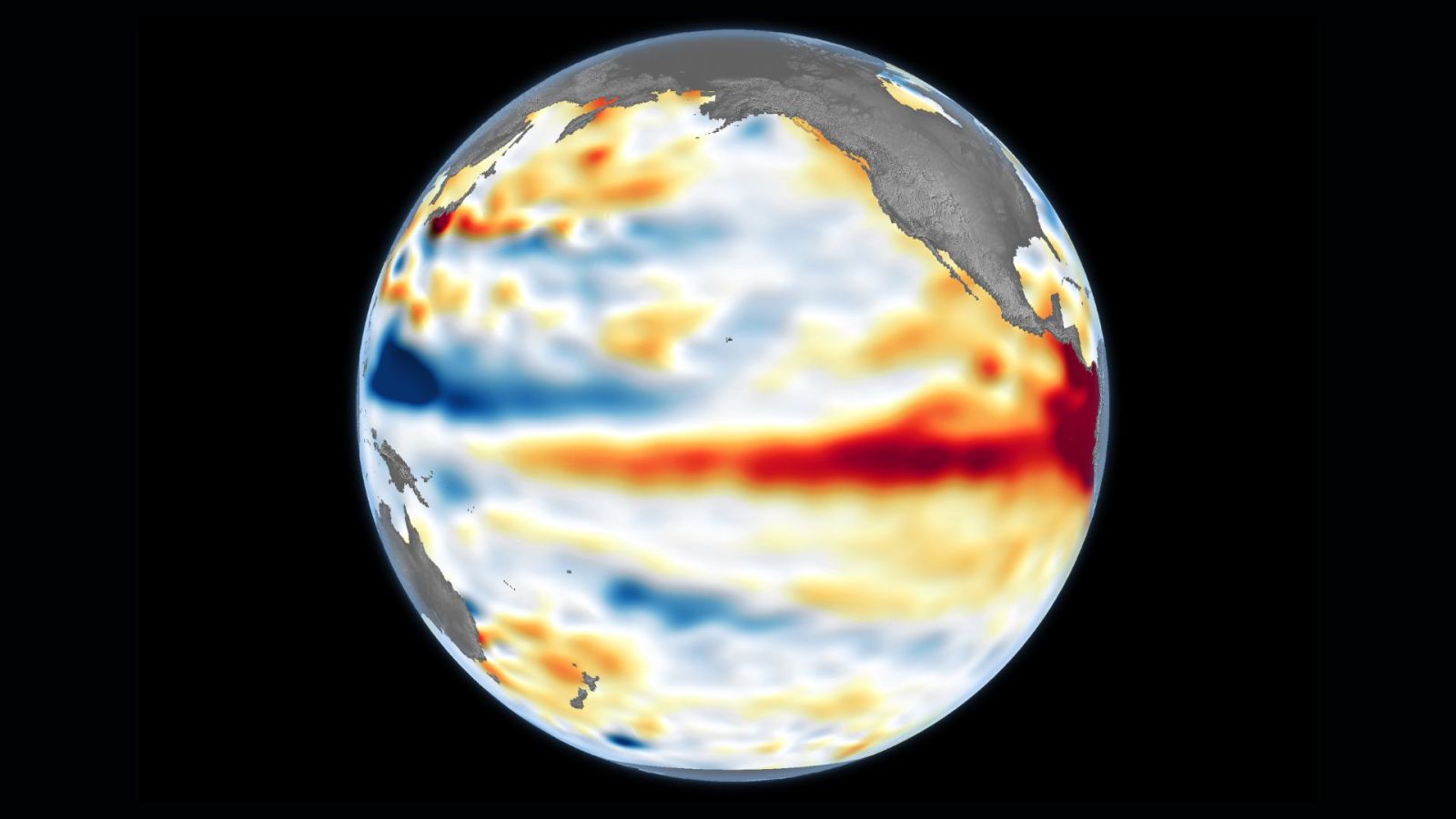
As the El Niño climate phenomenon threatens to cause unprecedented climate disruption, some geo-engineering solutions propose limiting its impact by blocking sunlight. However, the feasibility and desirability of such measures are being questioned. El Niño is known for its significant global climate impacts, and the potential for it to cause extreme weather events is a major concern.
Geo-engineering techniques, specifically those aimed at solar radiation management, are being considered as a response to the potential severity of the upcoming El Niño event. These methods involve artificially altering the Earth's climate to counteract warming or other climate changes. The core idea is to reduce the amount of solar energy reaching the planet's surface, thereby potentially mitigating the effects of El Niño.
Despite the theoretical possibility, significant questions remain about whether these geo-engineering approaches are truly viable and if they are ethically or practically advisable. The long-term consequences and potential unintended side effects of such large-scale interventions are not fully understood, raising concerns among scientists and policymakers.
The discussion around geo-engineering as a response to climate phenomena like El Niño highlights a growing tension between immediate crisis management and long-term systemic solutions. While solar geo-engineering might offer a theoretical lever to influence global temperatures, its application raises profound questions about governance, unintended consequences, and equitable burden-sharing. The potential for such interventions to create new environmental risks or geopolitical disputes necessitates a cautious approach, prioritizing robust scientific understanding and international consensus before any deployment. This scenario underscores the critical need to address the root causes of climate change, rather than solely focusing on symptomatic treatments that carry their own complex risks.
AI-generated to prompt reflection — not editorial opinion, not advice, not a statement of fact. How this works.