Could Graphic Anti-Smoking Ads Help Smokers Quit in Western Australia?
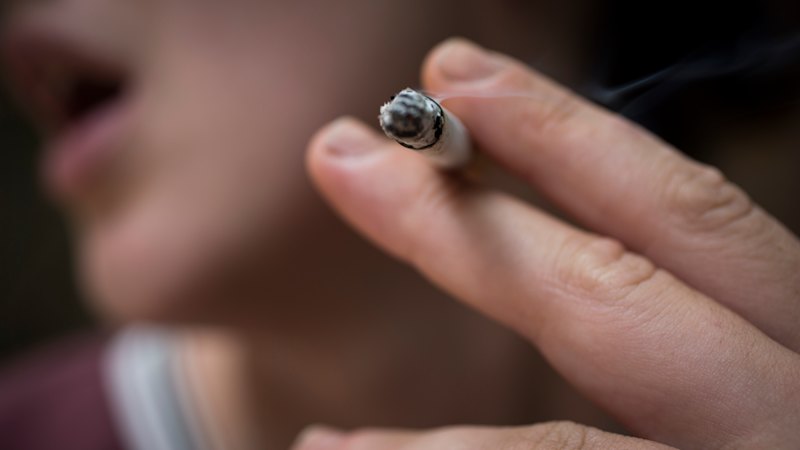
Smoking rates are on the decline across Australia, but health officials are exploring additional strategies to encourage individuals to quit the habit. One potential approach being considered is the reintroduction of graphic anti-smoking advertisements. These ads, which often depict the severe health consequences of smoking, have been used in the past with the aim of deterring people from starting or continuing to smoke. The effectiveness of such visceral campaigns in Western Australia is now being questioned as a means to further reduce smoking prevalence. The debate centers on whether a return to more explicit and potentially disturbing imagery could significantly impact smoking behaviors in the state. This consideration comes as public health efforts continue to seek innovative and impactful ways to address the ongoing challenges posed by tobacco use.
The potential reintroduction of graphic anti-smoking advertisements in Western Australia represents a public health strategy aimed at leveraging fear and visual impact to influence behavior. Such campaigns often rely on the principle that strong negative stimuli can create a deterrent effect, potentially increasing the perceived risks associated with smoking. However, the efficacy of graphic imagery can vary, with some audiences becoming desensitized over time or even reacting with avoidance. Future public health initiatives might benefit from exploring a multi-faceted approach that combines graphic warnings with accessible cessation support services, tailored messaging for different demographics, and broader policy interventions addressing tobacco availability and affordability. Evaluating the long-term impact and cost-effectiveness of such campaigns, alongside alternative strategies, will be crucial for optimizing resource allocation and achieving sustained reductions in smoking rates.
AI-generated to prompt reflection — not editorial opinion, not advice, not a statement of fact. How this works.