Council of Europe Backs Media Self-Regulation, Citing Effectiveness
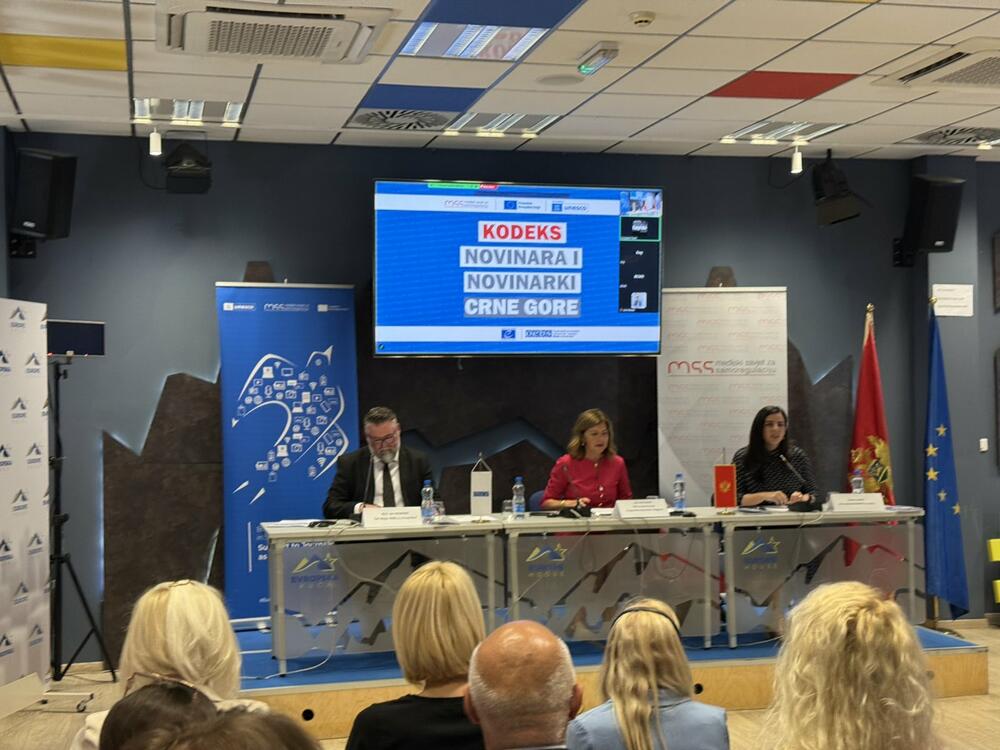
Lejla Dervišagić, head of the Council of Europe's Program Office in Podgorica, stated that the organization has supported the development of media self-regulation for decades. She emphasized that robust media self-regulation represents the most effective approach to strengthening journalistic ethics. The Council of Europe's long-standing commitment highlights its belief in the power of the media to govern itself responsibly. This support aims to foster a media landscape that adheres to high ethical standards and promotes public trust. Dervišagić's remarks underscore the Council's ongoing efforts to promote democratic values through independent and ethical journalism. The organization views self-regulation as a crucial mechanism for maintaining media integrity and accountability.
The Council of Europe's sustained advocacy for media self-regulation suggests a systemic preference for industry-led ethical frameworks over external governmental controls. This approach aligns with principles of media freedom and autonomy, aiming to foster accountability from within. However, the effectiveness of self-regulation can be challenged by market pressures and the potential for industry capture, where established players might influence standards to their advantage. As the media landscape evolves with digital transformation and the rise of new platforms, the Council's continued focus on self-regulation prompts consideration of how these frameworks adapt to ensure continued ethical integrity and public trust in the coming decade.
AI-generated to prompt reflection — not editorial opinion, not advice, not a statement of fact. How this works.