Couple Arrested for Drug Trafficking in Itamarandiba, Allegedly Used Baby Stroller
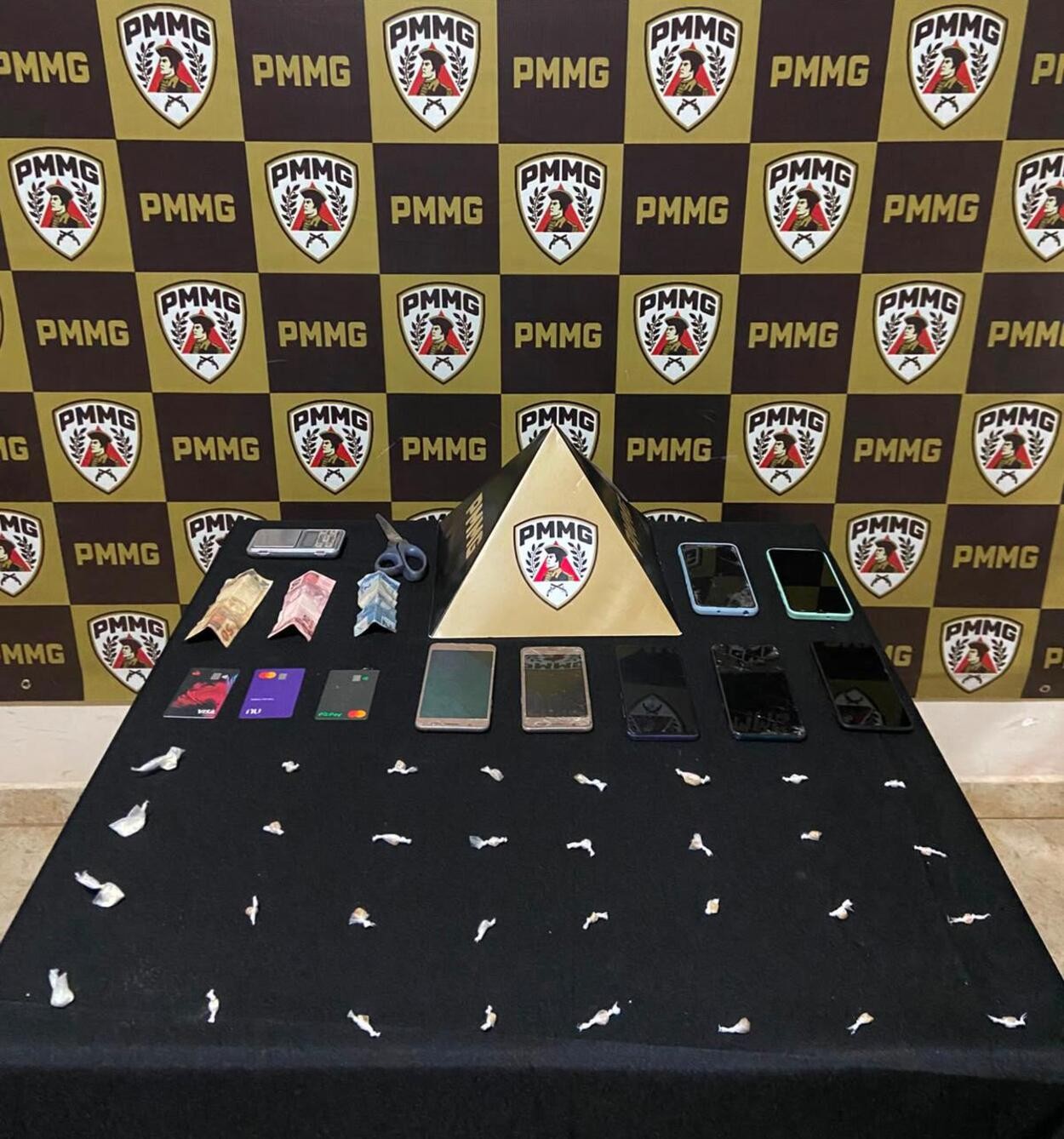
Police in Itamarandiba, Brazil, arrested a couple on drug trafficking charges on Wednesday, January 1st. Authorities received information that the pair used their infant son in a baby stroller as a method to transport and conceal illegal substances, aiming to avoid suspicion. The couple was reportedly selling drugs near a public square and a bar, with the male suspect also allegedly intimidating residents to prevent them from contacting law enforcement. During surveillance, police observed a high volume of individuals visiting the couple's residence, engaging in a pattern consistent with drug dealing. A background check on the female suspect revealed an active arrest warrant for drug offenses, issued by the Criminal and Penal Execution Court of São Francisco (MG) and valid until June 9, 2034. When confronted, the 24-year-old man attempted to flee by jumping a wall but was apprehended. He admitted to hiding crack cocaine under a roof tile and discarding drug portions while trying to escape. The 26-year-old woman was arrested while pushing their child in the stroller. Officers, with the homeowner's permission, searched the residence and seized four packages of cocaine, a scale, drug packaging materials, and cell phones. Both suspects, who have prior criminal records, were taken to the Civil Police station in Capelinha.
This incident highlights the complex and often desperate measures employed in illicit drug operations, including the exploitation of familial relationships and the use of children as unwitting accomplices to circumvent law enforcement. The alleged intimidation tactics underscore the pervasive challenges faced by communities in reporting criminal activity. From a systemic perspective, the case points to persistent issues in drug distribution networks and the ongoing need for effective community policing strategies that build trust and encourage cooperation. The woman's existing arrest warrant also suggests potential gaps in monitoring or enforcement prior to this arrest. Future interventions may benefit from focusing on disrupting these operational tactics and addressing the underlying socioeconomic factors that may drive individuals to engage in such high-risk activities.
AI-generated to prompt reflection — not editorial opinion, not advice, not a statement of fact. How this works.