Court Denies $262 Million in Damages Over Racially Charged Supermarket Incident
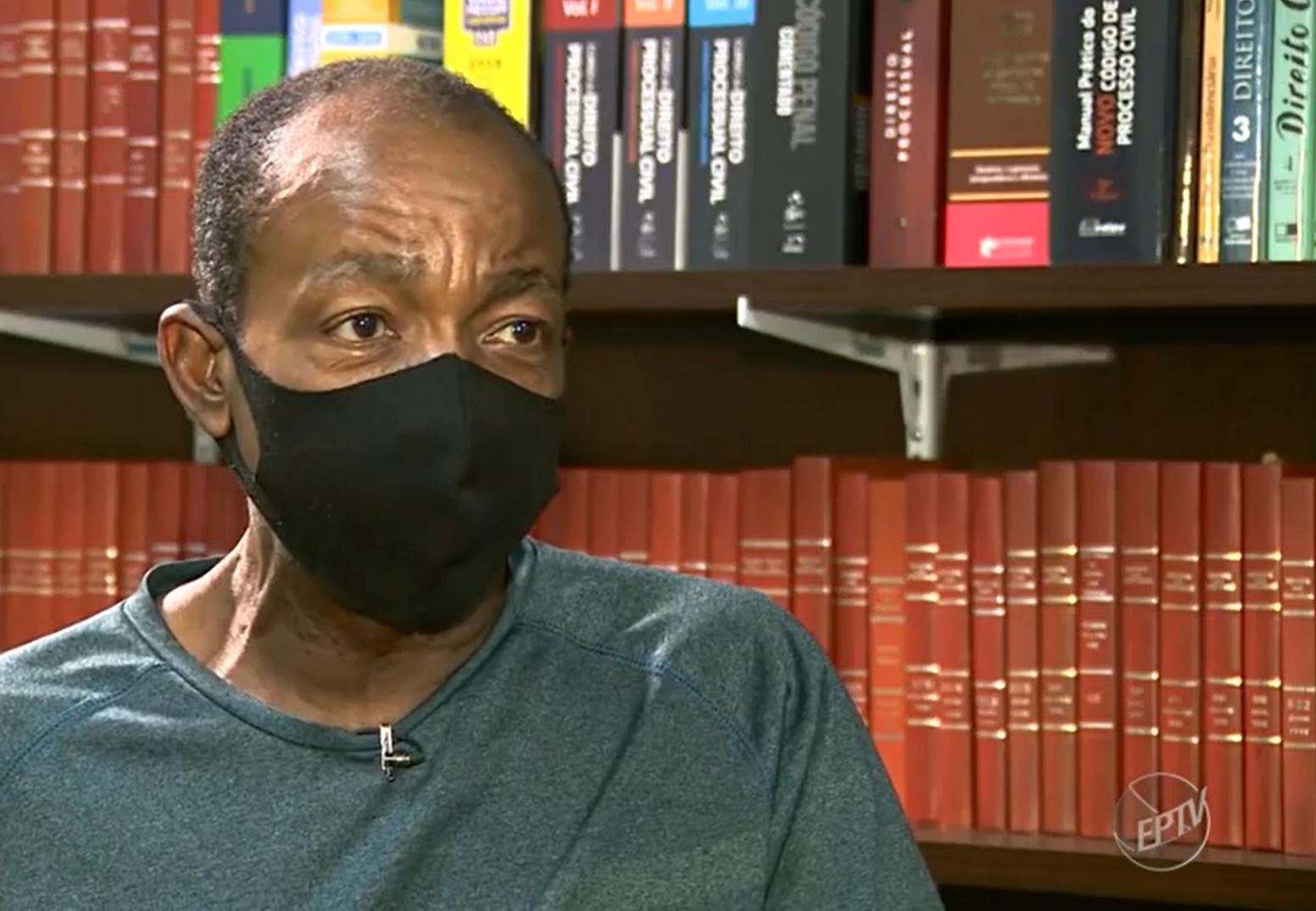
A Brazilian court has denied claims for approximately R$262.9 million (around $50 million USD) in damages related to an incident where a Black customer was allegedly forced to undress in an Assaí supermarket in Limeira, São Paulo, on August 6, 2021. The customer, identified as metalworker Luiz Carlos da Silva, was accused of theft and subjected to the humiliating search. The lawsuits were filed in 2021 by associations seeking compensation for collective moral damages against the supermarket chain. Judge Flavio Dassi Vianna of the 5th Civil Court of Limeira dismissed the claims, characterizing the event as an "isolated and punctual fact" that deviated from the company's institutional policies and training. He noted Assaí's documented policies against discrimination and for promoting diversity, as well as clauses in security contracts protecting human dignity. The judge also pointed to the earlier acquittal of two security guards in criminal proceedings as evidence that the actions were not part of a discriminatory institutional policy but rather an individual misconduct. Vianna concluded that, given the supermarket's prior measures, it could not be held liable for collective moral damages, despite acknowledging the gravity of the specific episodes as exceptions contrary to the company's stated principles. The Assaí network stated that it does not condone or instruct customers to undergo humiliating searches and had initiated an internal investigation, suspending and later dismissing the employee involved. In separate legal developments in 2024, two security guards, Denner Augusto Cirineu and João Venâncio de Paula Neto, who were initially accused of racial discrimination or prejudice by the Public Ministry for their role in the incident, were ultimately acquitted by the court after appeals. Previously, in August 2023, these guards had been sentenced to community service for racial discrimination or prejudice, but their appeals led to their exoneration between May and July 2024.
The judicial decision to deny substantial damages in this case hinges on distinguishing individual misconduct from systemic institutional policy. While the court acknowledged the severity of the customer's humiliation, its ruling emphasizes that the actions of the security guards, despite their alleged racial bias, did not stem from a deliberate, company-wide discriminatory practice. This perspective highlights the legal challenge in holding large corporations accountable for the actions of their employees, particularly when the company can demonstrate preventative policies and training. The outcome prompts reflection on the effectiveness of such policies and the burden of proof in establishing collective harm versus isolated incidents. Future legal frameworks might need to consider how to better address situations where individual actions, even if not officially sanctioned, cause significant harm and perpetuate societal inequities, especially within the context of increasing scrutiny on corporate social responsibility and the potential for AI-driven bias in retail environments.
AI-generated to prompt reflection — not editorial opinion, not advice, not a statement of fact. How this works.